10 Maintenance Tasks All Homeowners Should Do Every Season

Robin - November 1, 2025
Share

Seasonal upkeep is the key to a comfortable and efficient living space. Regular maintenance not only extends the life of home systems but also prevents costly repairs and preserves property value. From cleaning gutters to testing alarms, a few simple tasks done every few months can save time, money, and hassle. Explore these essential chores to keep your home running smoothly throughout the year.

1. Clean and Inspect Gutters

1. Clean and Inspect Gutters
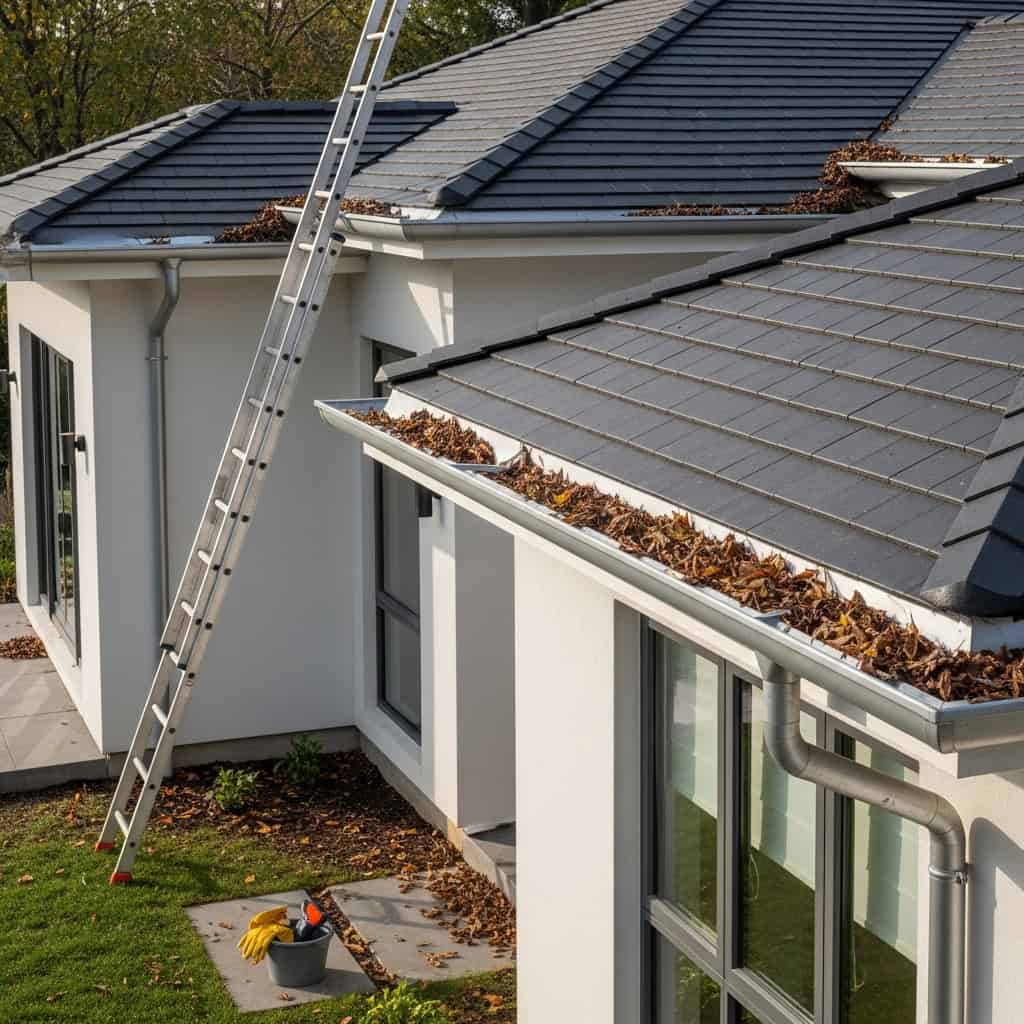
A homeowner carefully balances on a sturdy ladder, clearing leaves and debris from a clogged roof gutter. | Generated by Google Gemini

Remove leaves and debris from gutters and downspouts to prevent water damage and foundation issues. Regularly inspect for leaks, rust, or sagging sections, and make repairs as necessary. Clogged gutters can result in costly roof repairs and even basement flooding if water is not properly diverted away from your home. Installing gutter guards can help minimize the frequency of cleanings and reduce maintenance. Keeping gutters clear is an essential part of protecting your property. For step-by-step instructions, visit Family Handyman’s gutter cleaning guide.

2. Change HVAC Filters

2. Change HVAC Filters
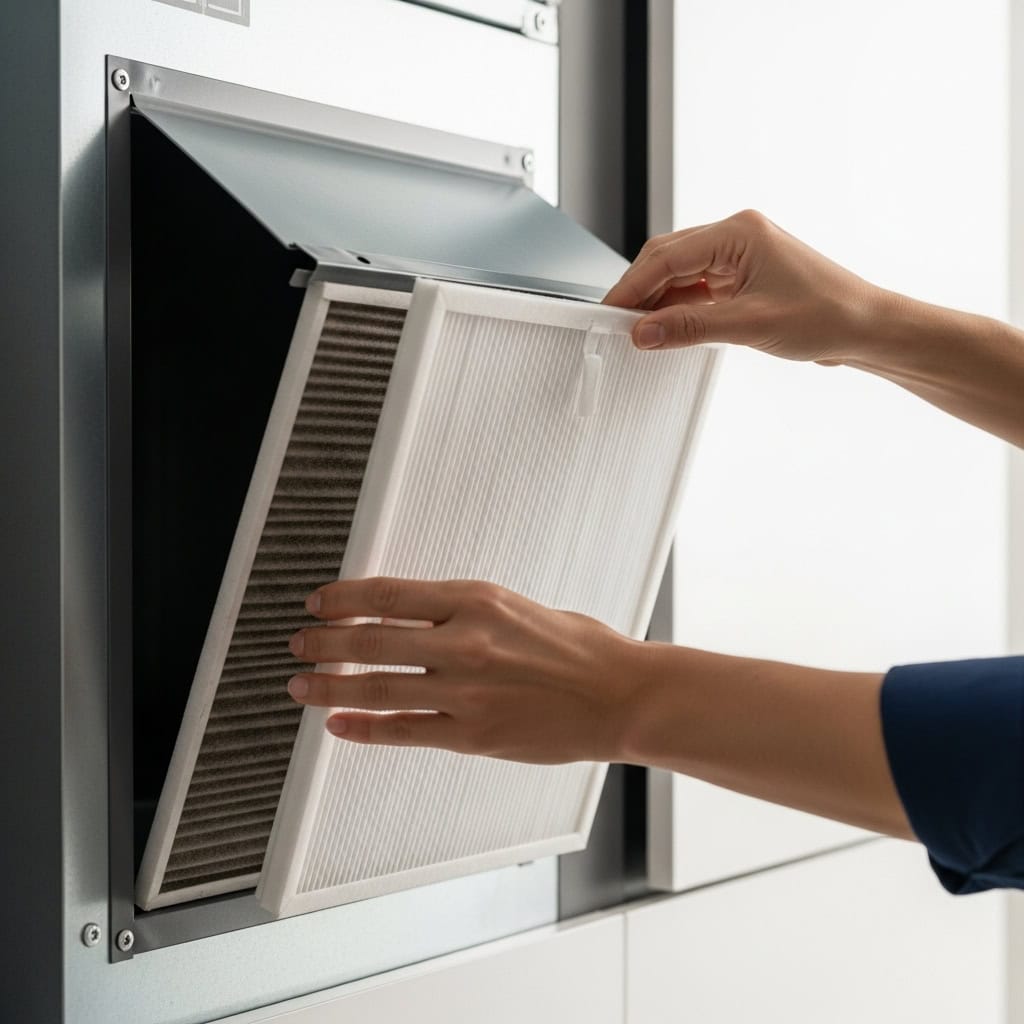
A clean HVAC filter is being installed into an air conditioning unit during routine furnace maintenance for optimal airflow. | Generated by Google Gemini

Replace or clean HVAC filters at the start of each season to ensure your heating and cooling system operates efficiently. Dirty filters restrict airflow, cause your system to work harder, and can lead to higher energy bills.

They also contribute to poor indoor air quality by allowing dust and allergens to circulate. Consider the benefits of high-efficiency filters compared to standard options to find the best fit for your home’s needs. For more information on maintaining your HVAC system, visit the U.S. Department of Energy.

3. Test Smoke and Carbon Monoxide Detectors

3. Test Smoke and Carbon Monoxide Detectors
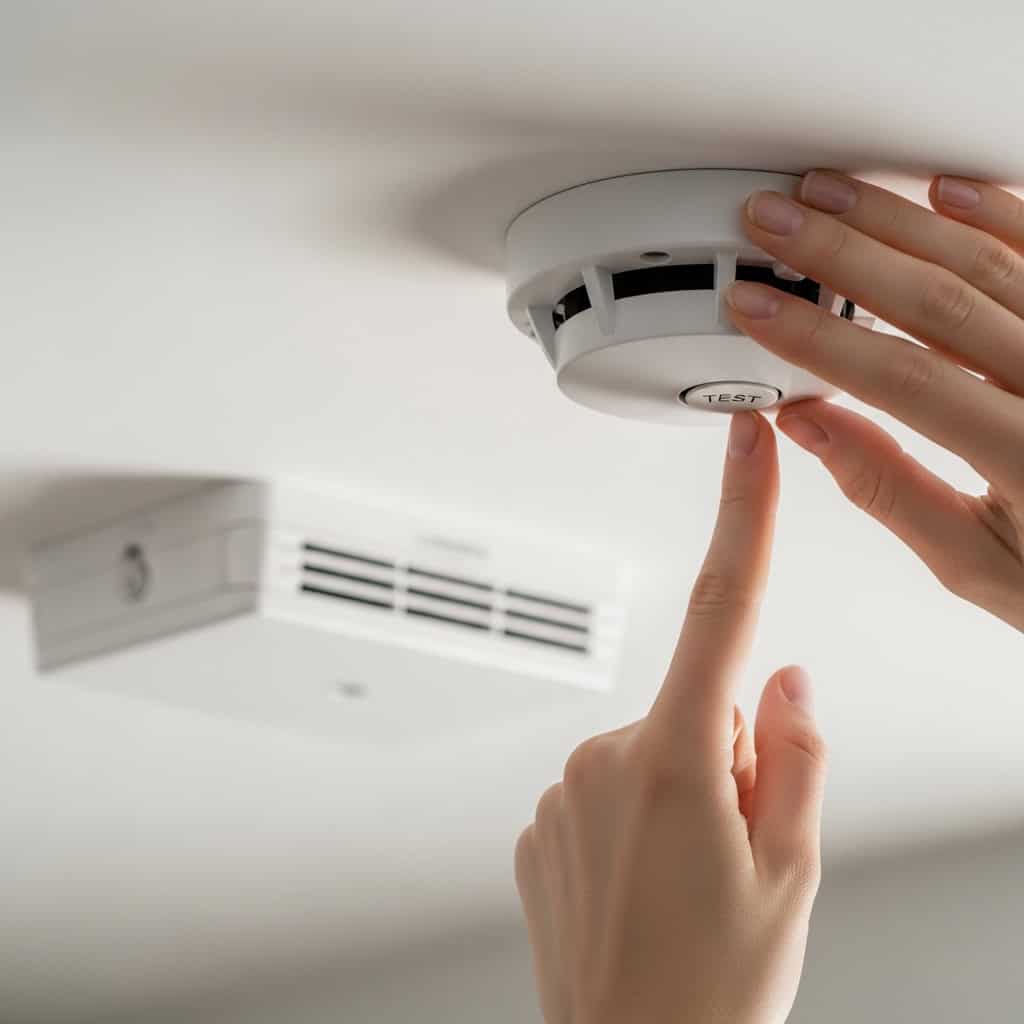
A modern smoke and carbon monoxide alarm is mounted on a white ceiling, providing essential protection for home safety. | Generated by Google Gemini

Check all smoke and carbon monoxide detectors to make sure they are working properly. Replace batteries as necessary and test each alarm monthly by pressing the test button. These devices are essential for home safety, providing early warnings in case of fire or gas leaks.

For enhanced protection, consider installing interconnected alarms that alert you throughout the house. Regular maintenance can save lives and prevent serious accidents. For step-by-step testing instructions and safety tips, visit the National Fire Protection Association.

4. Inspect Roof and Attic

4. Inspect Roof and Attic
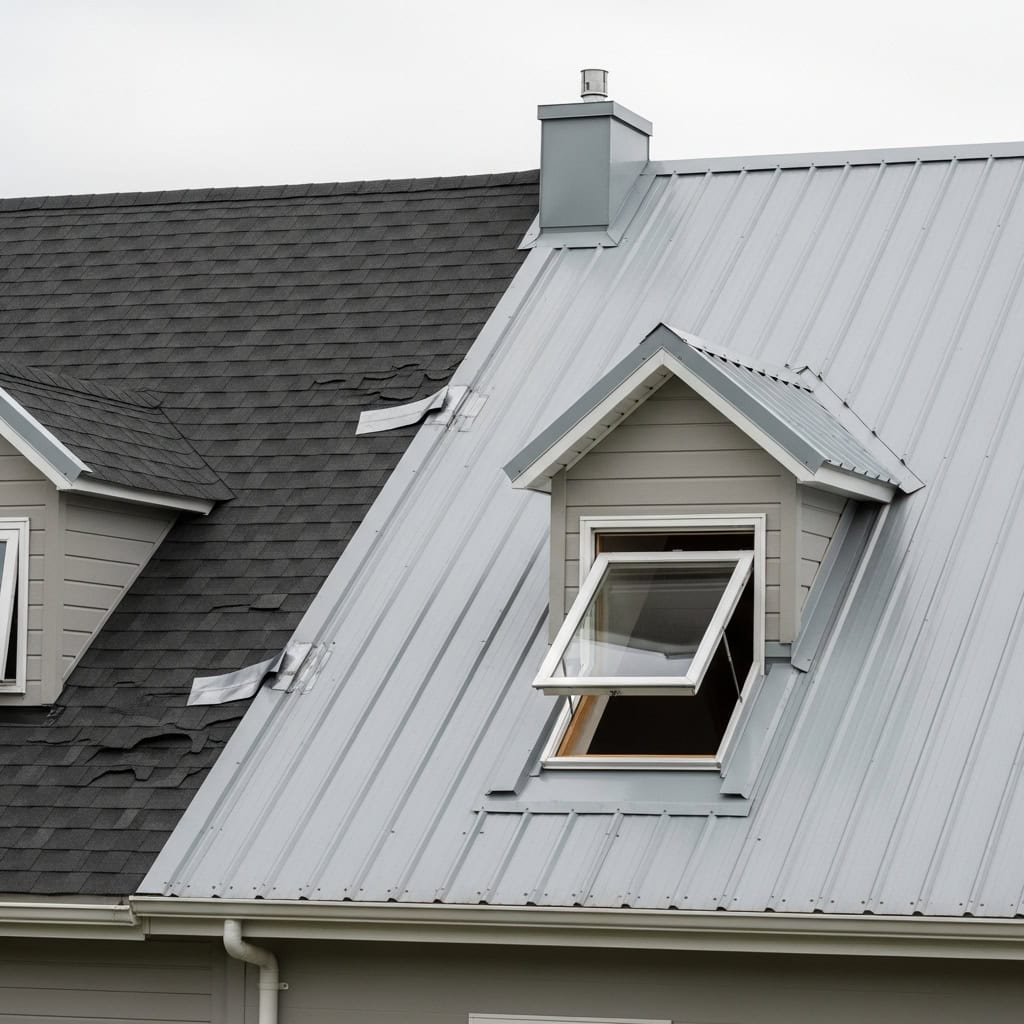
A roofing specialist examines shingles from inside a sunlit attic, checking for leaks and structural issues. | Generated by Google Gemini

Examine your roof and attic every season for missing shingles, damaged flashing, or signs of leaks. Addressing these issues early helps prevent water intrusion, structural damage, and mold growth.

Pay attention to both the exterior roofing material and the attic’s interior for any damp spots or stains. Maintenance needs can vary—compare the upkeep required for asphalt shingles versus metal roofing to make informed decisions. For a comprehensive roof inspection checklist, visit This Old House.

5. Seal Windows and Doors

5. Seal Windows and Doors
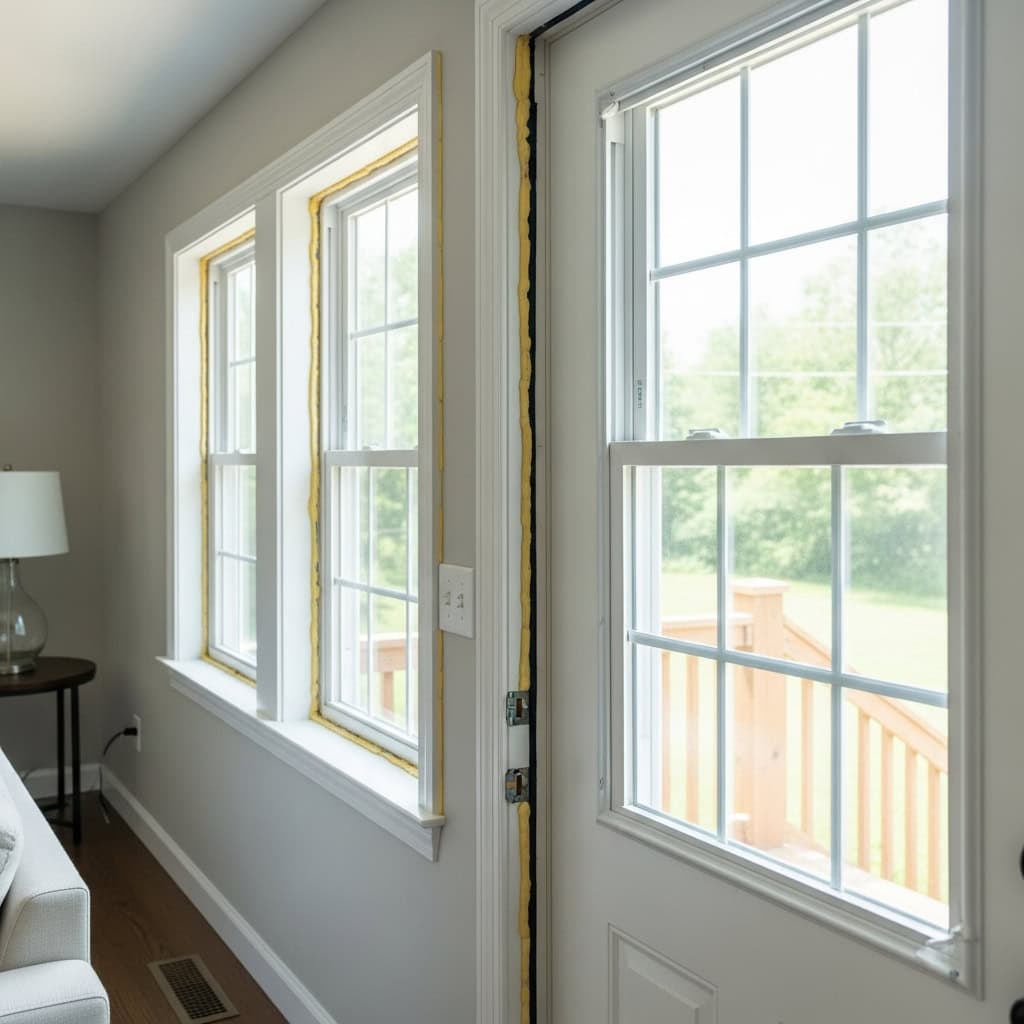
A homeowner carefully applies caulk around a window while weatherstripping a door to improve energy efficiency. | Generated by Google Gemini

Inspect windows and doors for drafts that can let conditioned air escape and outside air in. Use caulk to seal cracks around window frames and apply weatherstripping to door jambs to close any gaps.

Properly sealed openings enhance energy efficiency and increase indoor comfort by maintaining consistent temperatures. This also helps reduce heating and cooling costs over time. For various needs, compare the durability of silicone caulk to the flexibility of foam weatherstripping. For more information on effective air sealing, visit the EPA’s guide.

6. Drain and Flush Water Heater

6. Drain and Flush Water Heater
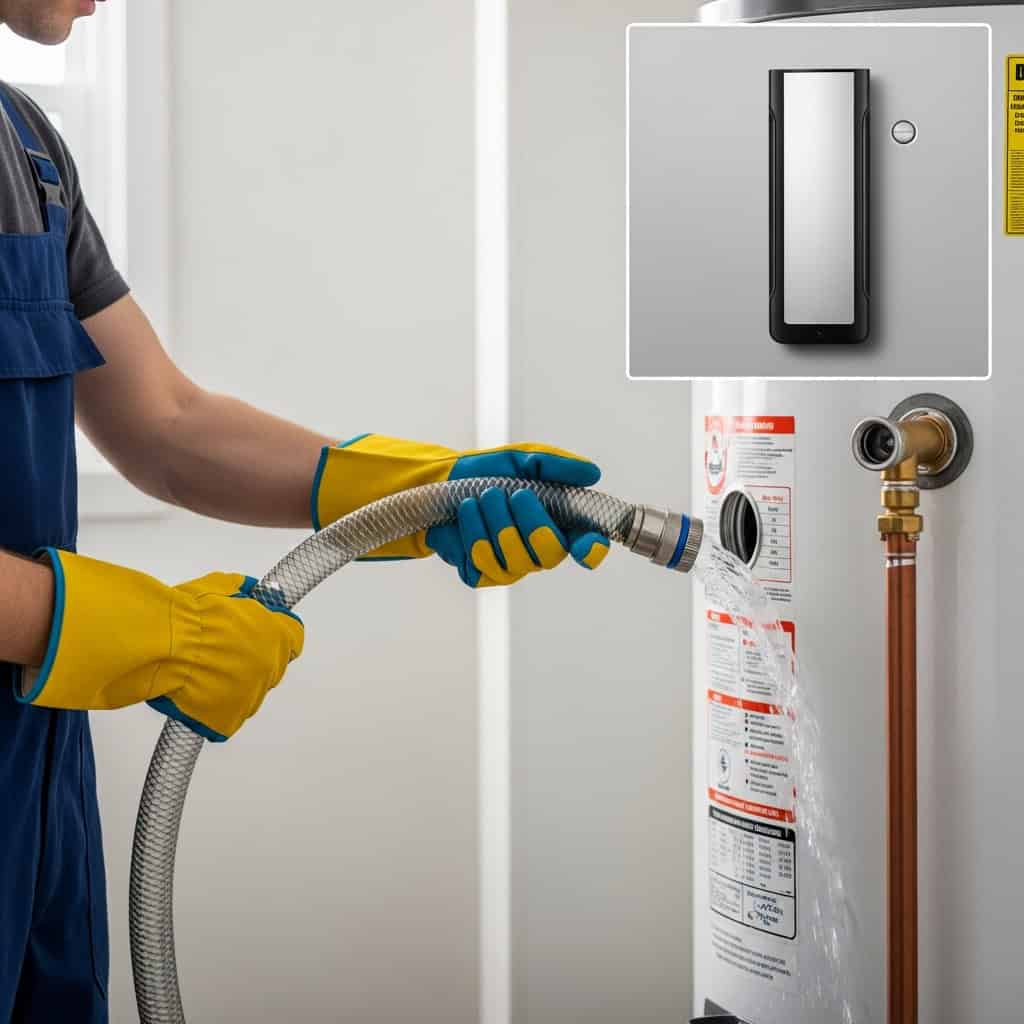
A homeowner uses plumbing tools to flush a water heater, ensuring efficient performance and preventing buildup. | Generated by Google Gemini

Flushing your water heater each season helps remove sediment buildup, which can decrease the unit’s efficiency and shorten its lifespan. This is especially important in regions with hard water, where minerals accumulate more quickly.

Regular maintenance ensures optimal performance and can prevent costly repairs. Compare tankless models—which require less frequent flushing—to traditional tank water heaters to determine your maintenance schedule. Proper care keeps hot water flowing reliably and efficiently. For detailed, step-by-step instructions on flushing your system, visit Energy.gov.

7. Examine Exterior Paint and Siding

7. Examine Exterior Paint and Siding
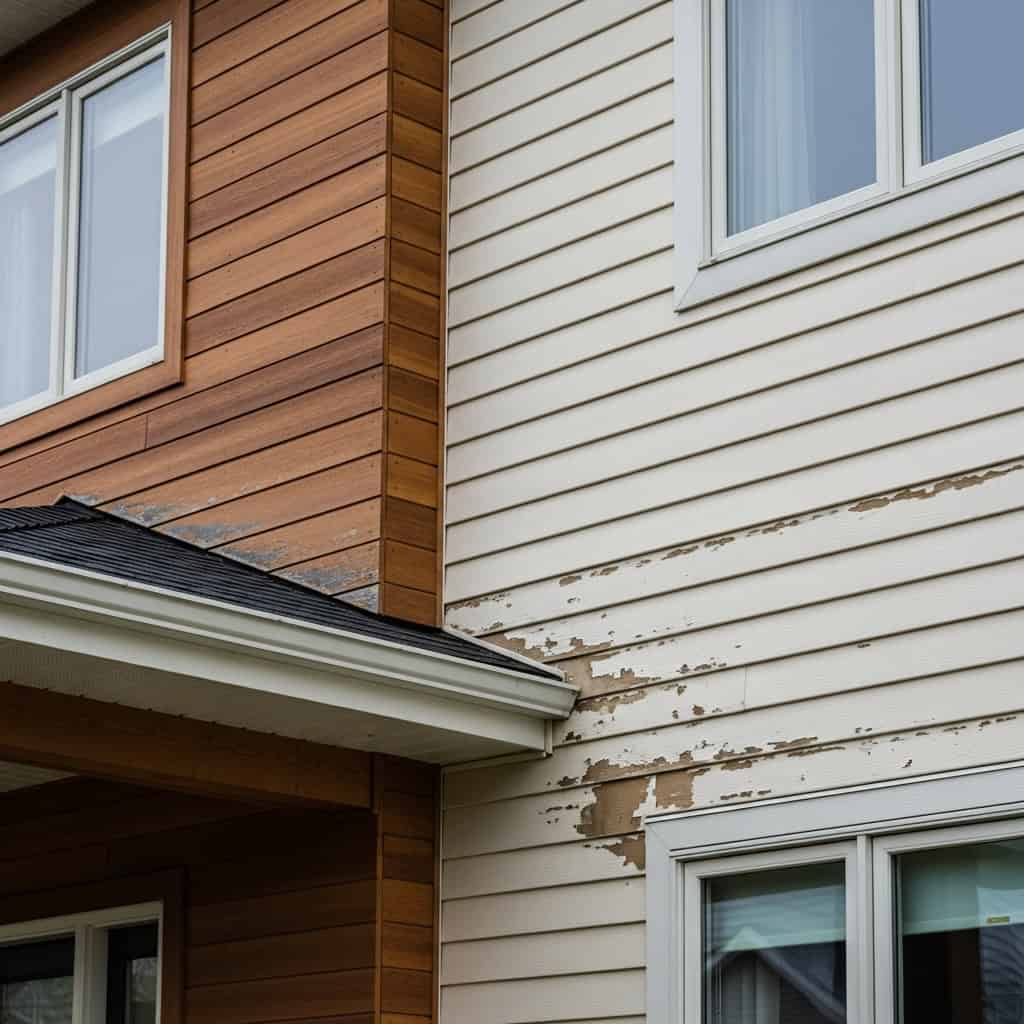
A home inspector examines freshly painted exterior siding, ensuring the house’s new look meets quality and safety standards. | Generated by Google Gemini

Inspect your home’s exterior paint and siding for cracks, peeling, or other signs of wear. Promptly touch up paint and repair damaged siding to keep moisture out and protect your home’s structure. Regular inspections help extend the lifespan of these materials and maintain your home’s curb appeal.

Maintenance needs differ: vinyl siding typically requires less upkeep than wood, which may need frequent painting or sealing. By staying proactive, you can avoid costly repairs down the road. For more tips on maintaining your home’s exterior, visit HGTV.

8. Check and Clean Dryer Vents

8. Check and Clean Dryer Vents
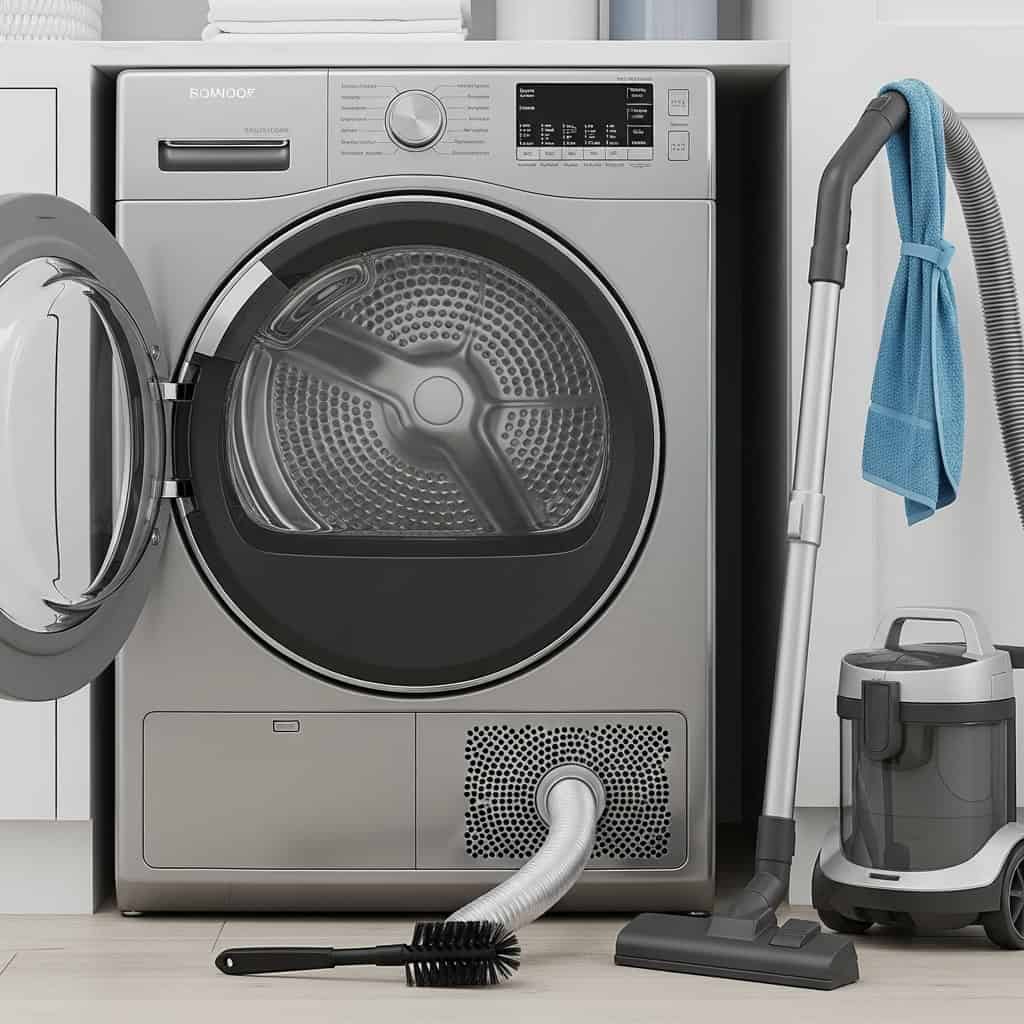
A technician carefully removes built-up lint from a dryer vent, ensuring optimal airflow and promoting laundry room safety. | Generated by Google Gemini

Clear lint and debris from your dryer vents each season to greatly reduce fire risks and improve the efficiency of your appliance. Blocked vents lead to longer drying times and can cause dangerous heat buildup.

Regular cleaning helps your dryer run safely and smoothly. You can use a vacuum for basic cleaning, but a dryer vent brush often reaches deeper into the vent for a thorough job. Prioritizing this task protects your home and extends the life of your dryer. For safety guidelines and more tips, visit the U.S. Fire Administration.

9. Service Lawn Equipment

9. Service Lawn Equipment
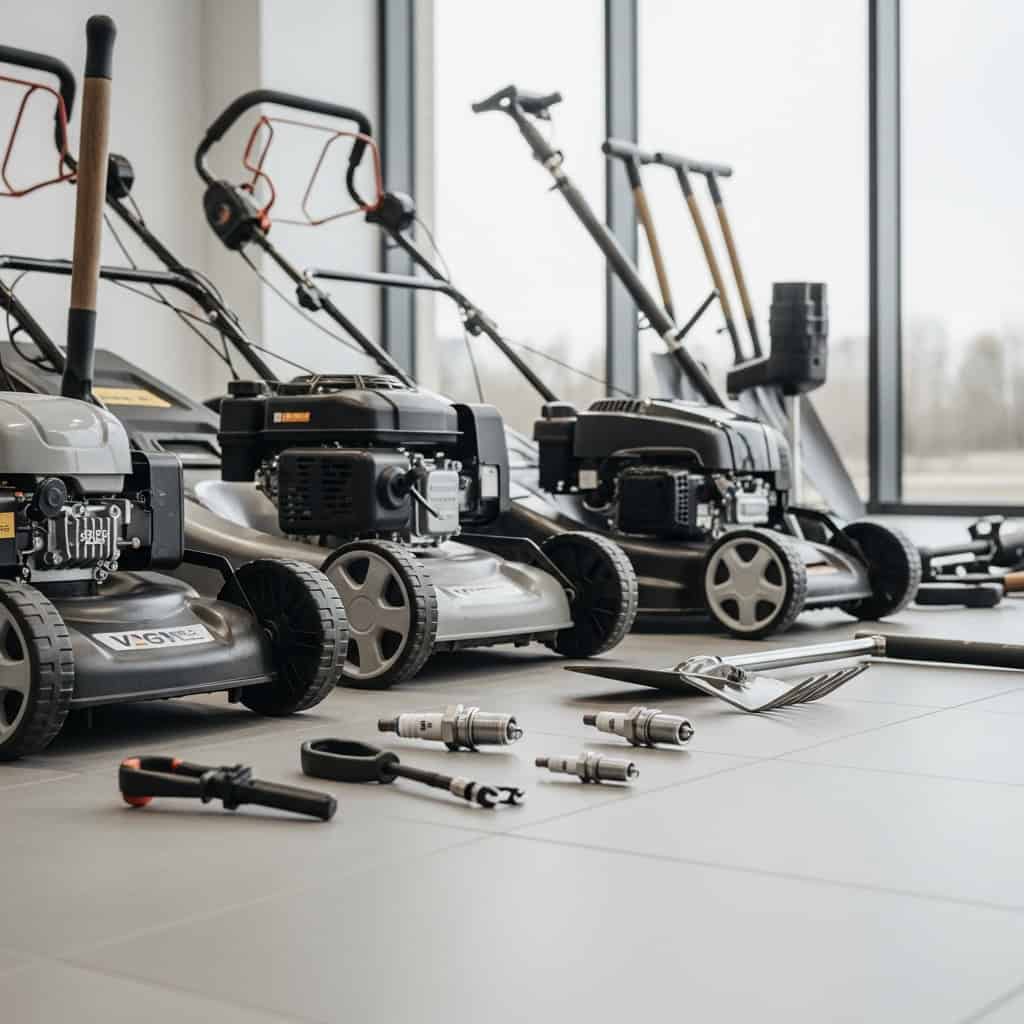
A freshly cleaned lawn mower sits beside neatly arranged garden tools, ready for a productive day of yardwork. | Generated by Google Gemini

Before each season, take time to clean, sharpen, and inspect your lawn mower blades and garden tools. For gas-powered equipment, replace spark plugs and check fuel levels to ensure reliable performance. Maintaining your tools not only extends their lifespan but also makes yard work more efficient and safer.

Electric mowers typically require less maintenance than gas models, though both benefit from regular care. Sharp tools cut cleaner and reduce strain on both you and your equipment. For a comprehensive maintenance guide, visit the University of Minnesota Extension.

10. Inspect Plumbing for Leaks

10. Inspect Plumbing for Leaks
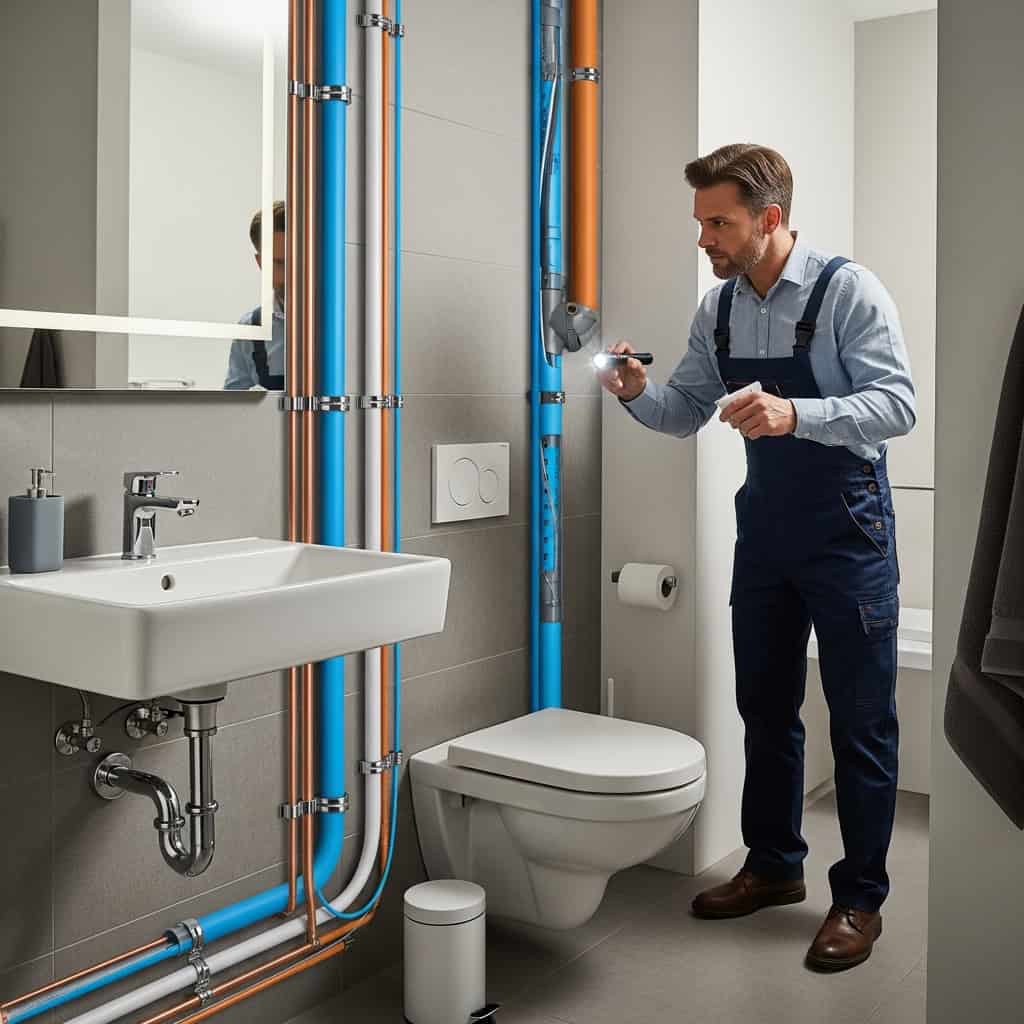
A plumber carefully examines a leaky faucet under a sink, preparing tools for a thorough pipe repair. | Generated by Google Gemini

Routinely check for leaks under sinks, around toilets, and in basements to catch problems early. Even small drips can lead to expensive water damage or unexpectedly high utility bills. Address issues like dripping faucets or running toilets as soon as they appear to avoid bigger repairs.

Consider the durability of different pipe materials—copper, PEX, and PVC each have unique advantages and maintenance needs. Staying vigilant keeps your plumbing in good shape and your home protected. For step-by-step leak detection tips, visit The Spruce.

Conclusion

Conclusion
Seasonal home maintenance tasks help protect your investment, boost efficiency, and ensure year-round comfort. | Generated by Google Gemini

By performing these ten essential maintenance tasks every season, you can ensure your home remains safe, efficient, and comfortable year-round. Regular attention to these areas not only saves money by preventing costly repairs but also preserves the value and enjoyment of your property. Make these chores part of your routine for lasting peace of mind. For more seasonal home maintenance ideas and checklists, visit HouseLogic’s annual home maintenance checklist.

Advertisement