12 Hidden Home Costs People Forget to Budget For

Robin - November 2, 2025
Share

Purchasing or owning a home is an exciting milestone, but many buyers focus solely on the mortgage, insurance, and utilities. In reality, homeownership comes with a variety of often-overlooked expenses that can strain your finances if you’re unprepared. From routine maintenance to unexpected repairs, these hidden costs can add up quickly. Understanding these extra expenses is essential for proper budgeting and long-term financial planning.


1. Property Taxes

1. Property Taxes
A tax assessor reviews a stack of housing documents beside a detailed property tax bill on a cluttered desk. | Generated by Google Gemini

Property taxes are a recurring expense that homeowners can’t avoid, yet they’re often underestimated. These taxes can fluctuate annually, sometimes rising due to reassessments or local budget changes. For example, improvements to schools or infrastructure in your area may result in higher property taxes.

If you’re not prepared, these increases can disrupt your financial plans. To stay informed, check your county’s tax assessor website or consult real estate resources like Zillow’s guide on property taxes for details and budgeting tips.

2. Homeowners Insurance Premiums

2. Homeowners Insurance Premiums
Homeowners’ insurance premiums fluctuate due to claims, natural disasters, and changing provider policies. | Generated by Google Gemini

Homeowners insurance is essential, but many forget that premiums aren’t fixed. Rates can increase unexpectedly after filing a claim due to local natural disasters or changes in your insurance provider’s policies. For instance, areas affected by wildfires or hurricanes often see significant hikes in premiums.

It’s crucial to review your policy annually and shop around for competitive rates. Comparing multiple providers can help you avoid overpaying. To better understand what impacts premiums, visit the National Association of Insurance Commissioners for guidance and resources.

3. Routine Maintenance and Repairs

3. Routine Maintenance and Repairs
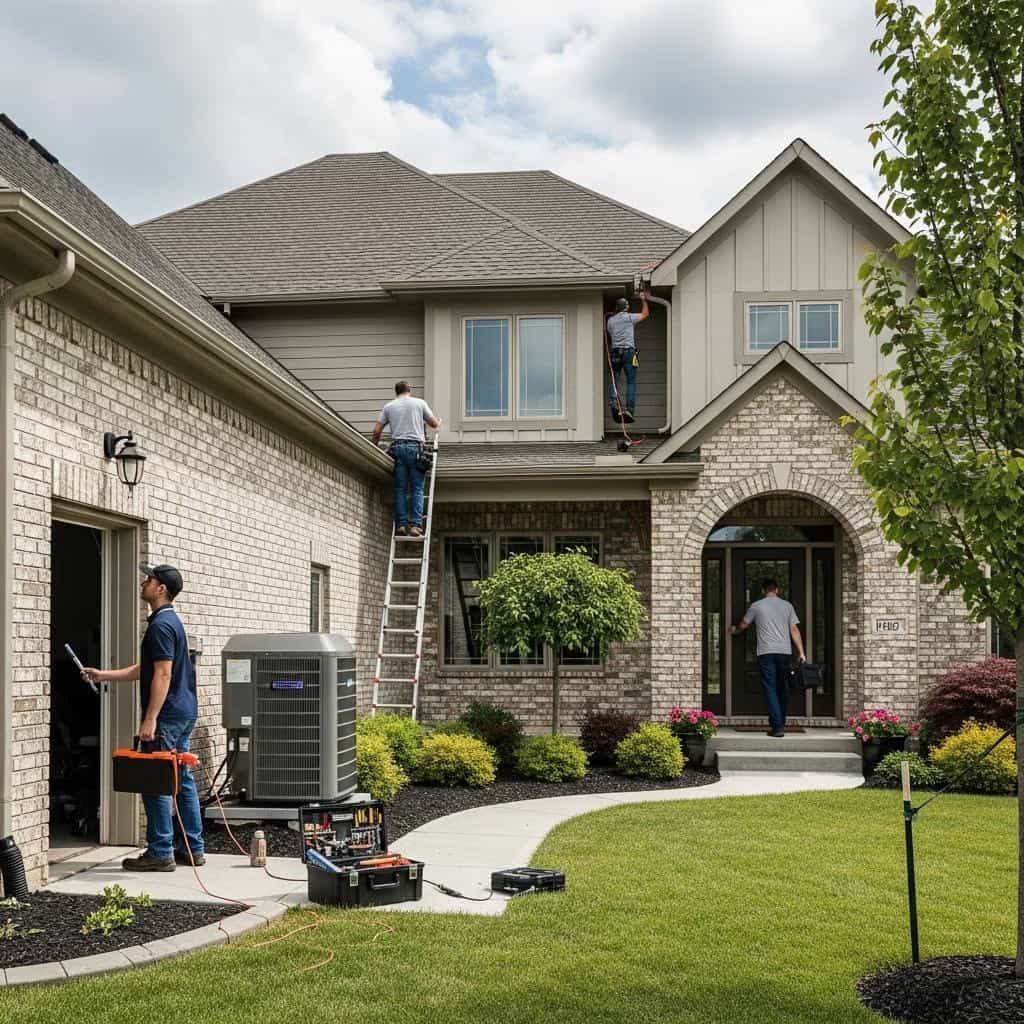
Regular home maintenance—like HVAC and plumbing—prevents costly repairs; budget 1-3% annually. | Generated by Google Gemini

Keeping your home in good condition requires regular maintenance and occasional repairs that many homeowners overlook. Tasks like HVAC servicing, plumbing repairs, and gutter cleaning can add up over time.

On average, experts recommend setting aside 1-3% of your home’s value annually for maintenance costs. For example, HVAC servicing can cost $150-$450 per visit, while plumbing repairs can vary widely. Ignoring routine upkeep can lead to costlier issues down the line. For more details and budgeting advice, check out the NerdWallet guide to home maintenance costs.

4. Appliance Replacement

4. Appliance Replacement
A delivery truck arrives outside as a new fridge is unloaded to replace the broken one in a modern kitchen. | Generated by Google Gemini

Major appliances like refrigerators, washers, dryers, and water heaters have limited lifespans—often ranging from 8 to 15 years. When these essential items fail, replacement costs can be substantial; for example, a new refrigerator can easily exceed $1,000, and water heaters may cost $800 or more.

Planning for these inevitable expenses can help avoid financial surprises. Comparing brands for reliability and longevity can also save money over time. For detailed appliance lifespan statistics and reliability comparisons, visit the Consumer Reports Appliance Reliability Guide.

5. Landscaping and Lawn Care

5. Landscaping and Lawn Care
Two gardeners push a bright red lawn mower across a lush green lawn, working together on a sunny afternoon. | Generated by Google Gemini

Maintaining a healthy, attractive yard goes beyond mowing the lawn. Costs can include professional landscaping services, seasonal cleanups, fertilization, and purchasing or maintaining equipment like lawnmowers and trimmers.

These expenses add up quickly—annual lawn care for an average-sized yard can range from $700 to $2,000, depending on the services used. Homeowners who choose professional landscaping may pay even more. To estimate your own costs, check out the HomeAdvisor Landscaping Cost Calculator or visit the National Association of Landscape Professionals.

6. Pest Control

6. Pest Control
A pest inspector examines wooden beams with visible termite damage as an exterminator prepares treatment equipment nearby. | Generated by Google Gemini

Regular pest control is essential for preventing infestations from termites, ants, rodents, and other unwanted guests. In humid or warm climates, frequent inspections and treatments are even more critical and can cost between $300 and $700 per year for routine services.

Severe infestations may require costly, specialized treatments. Neglecting pest control can lead to structural damage and health risks. For information on effective pest management and prevention, visit the EPA’s Safe Pest Control Guide or the National Pest Management Association.

7. HOA Fees

7. HOA Fees
Homeowners gather in a bright community clubhouse as a board member distributes new fee notices during the HOA meeting. | Generated by Google Gemini

Homeowners association (HOA) fees are common in many communities and are used to cover amenities, common area maintenance, and neighborhood services. These fees often range from $200 to $400 per month but can be higher in luxury developments or urban areas.

HOA fees can increase unexpectedly to fund major repairs or community upgrades. It’s crucial to review your HOA’s financial statements and bylaws before purchasing a home. For more information on how HOA fees work and what they cover, visit the Federal Trade Commission’s HOA Guide.

8. Utility Upgrades and Repairs

8. Utility Upgrades and Repairs
Essential utility repairs in older homes can lead to significant, unexpected expenses for homeowners. | Generated by Google Gemini

Unexpected repairs or upgrades to essential utilities—such as electrical wiring, plumbing, or sewer lines—can be a major financial surprise, especially in older homes with outdated systems. For instance, replacing a main sewer line can cost several thousand dollars, while electrical panel upgrades or major plumbing fixes often run into the hundreds or thousands. Newer homes may require fewer upgrades, but repairs still arise. Being proactive about inspections can help you avoid emergencies. For more details, visit the HouseLogic’s guide to hidden repair costs or your local utility provider’s website.

9. Emergency Fund for Major Repairs

9. Emergency Fund for Major Repairs
Stacks of emergency savings jars sit on a kitchen counter as water drips from a leaky roof onto the floor. | Generated by Google Gemini

Unexpected disasters like roof leaks, foundation cracks, or flood damage can strike at any time, often requiring immediate and expensive repairs. For example, a new roof can cost $8,000 or more, while foundation repairs may run into the tens of thousands.

It’s essential to maintain an emergency fund specifically for such major repairs to avoid financial stress and protect your investment. Many financial experts recommend saving 1-3% of your home’s value annually. For more tips on building an emergency fund, visit the Consumer Financial Protection Bureau’s guide.

10. Renovation Permits and Fees

10. Renovation Permits and Fees
Renovation permits are essential for compliance, preventing fines, and ensuring smooth home improvement projects. | Generated by Google Gemini

When planning home improvements, it’s easy to overlook the cost and necessity of securing renovation permits. Most structural changes, electrical upgrades, or major remodels require permits from your local government, with fees ranging from $50 for minor work to several hundred dollars for large projects. Failing to obtain proper permits can result in fines or complications during resale. To ensure compliance, always check your municipality’s requirements. For more information, visit your city’s official website or explore the HUD’s guide to building codes and permits.

11. Security Systems and Monitoring

11. Security Systems and Monitoring
Home security systems require upfront installation fees and ongoing monthly monitoring costs—compare providers carefully. | Generated by Google Gemini

Protecting your home with a security system involves more than just a one-time purchase. Installation fees can range from $100 to over $1,000, depending on the complexity of the system, while monthly monitoring services typically cost $20 to $60.

Smart home integrations and video surveillance may add to the expense. Comparing providers is key, as features and fees vary widely. These ongoing costs are often forgotten during initial budgeting. For unbiased reviews and comparisons, visit the Consumer Reports Home Security Guide.

12. Moving and Settling-In Expenses

12. Moving and Settling-In Expenses
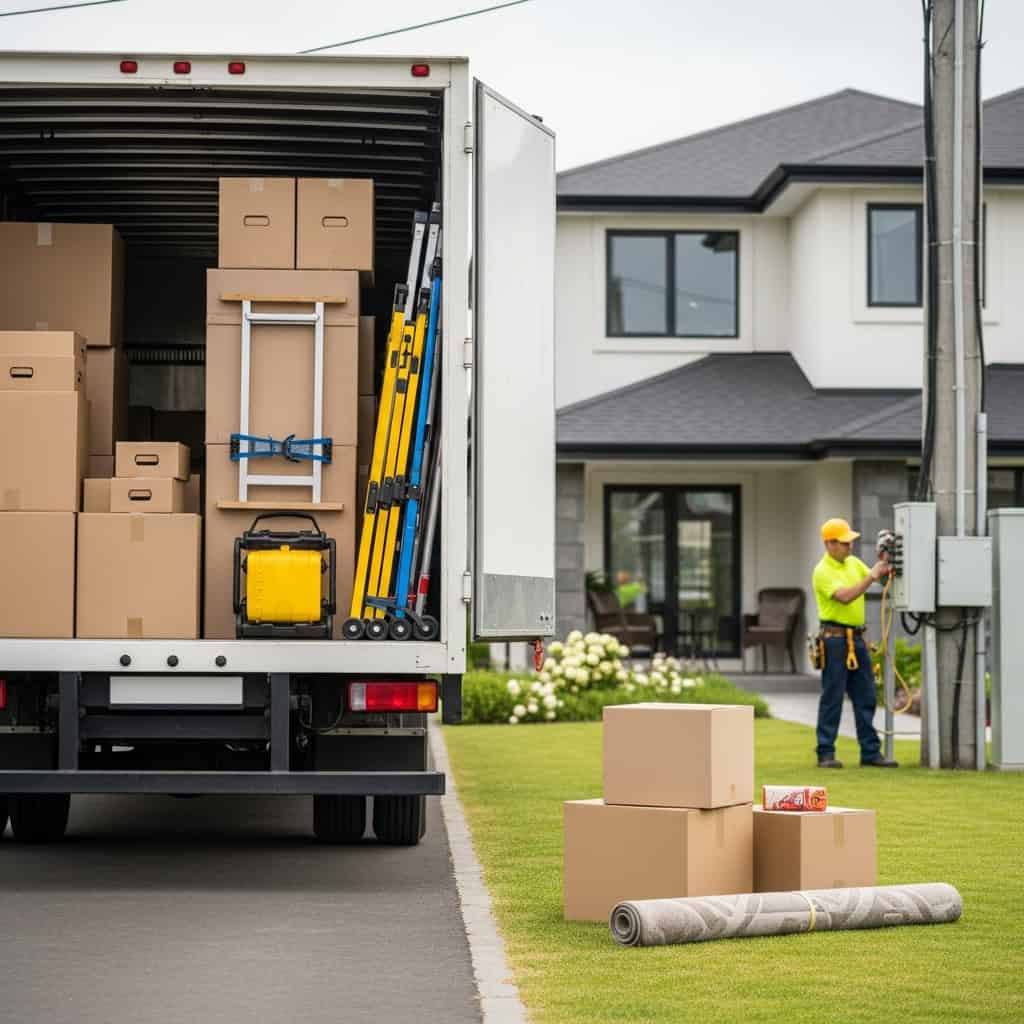
A moving truck sits in the driveway as new homeowners eagerly carry boxes into their fresh start. | Generated by Google Gemini

Many homeowners underestimate the real costs of moving and getting settled. Hiring professional movers, renting trucks, and paying for packing supplies can quickly add up—sometimes totaling $2,000 or more for a cross-town move.

Additional expenses include utility deposits, minor repairs, or purchasing new furniture and appliances to fit the space. It’s wise to factor these into your budget for a smoother transition. For help estimating your moving costs, check out the MyMove Moving Cost Calculator or review the FTC’s Moving Consumer Guide.

Conclusion

Conclusion
A family gathers around the kitchen table at home, using a calculator to carefully plan their monthly budget together. | Generated by Google Gemini

Owning a home involves far more than just paying the mortgage and utilities. Hidden costs—from property taxes to emergency repairs—can have a significant impact on your budget if left unplanned. By anticipating these expenses and setting aside funds, homeowners can avoid unpleasant surprises and protect their investment. Careful budgeting and ongoing financial awareness are crucial for long-term stability. For more tips on managing homeownership expenses, visit the USA.gov Home Buying and Owning Guide.

Disclaimer

Disclaimer
A close-up of a legal disclaimer at the bottom of a contract, emphasizing the importance of understanding key information. | Generated by Google Gemini

This article is for informational purposes only and does not constitute financial advice. Please consult a qualified professional for personalized guidance. For more information, visit Consumer Financial Protection Bureau.

Advertisement