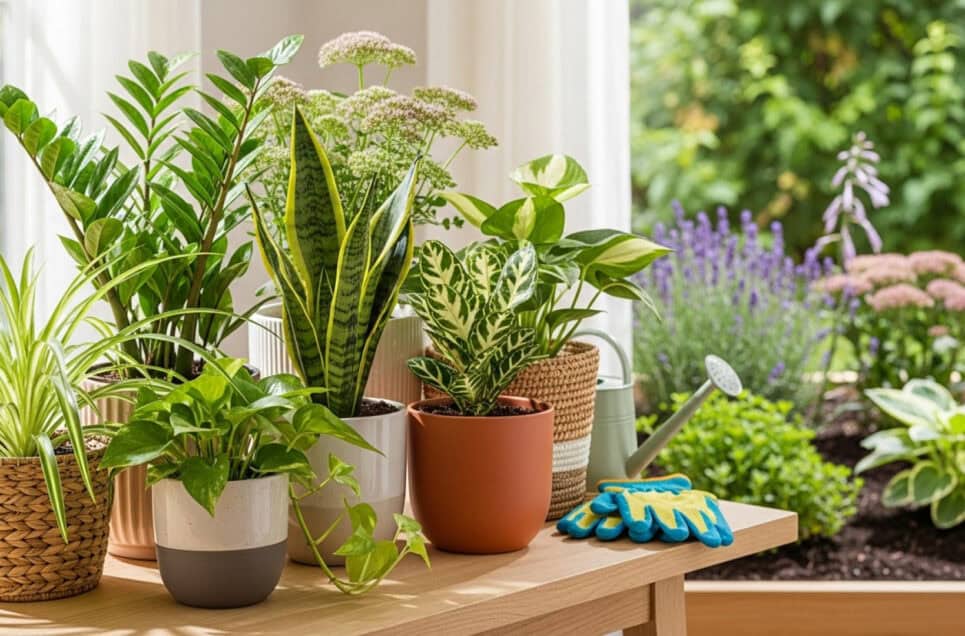
12 Low-Maintenance Plants Perfect for Busy Gardeners

Robin - December 11, 2025
Share

For those juggling hectic schedules, the dream of a vibrant garden often seems out of reach. Thankfully, low-maintenance plants offer a simple solution, requiring minimal attention while still providing lush greenery and colorful blooms. These resilient varieties are perfect for beginners and time-strapped enthusiasts alike, making gardening accessible to everyone. With the right plant choices, anyone can enjoy a thriving, beautiful garden without constant upkeep. Discover how these unfussy plants can transform your space and fit seamlessly into your busy lifestyle.

1. Snake Plant (Sansevieria)

1. Snake Plant (Sansevieria)
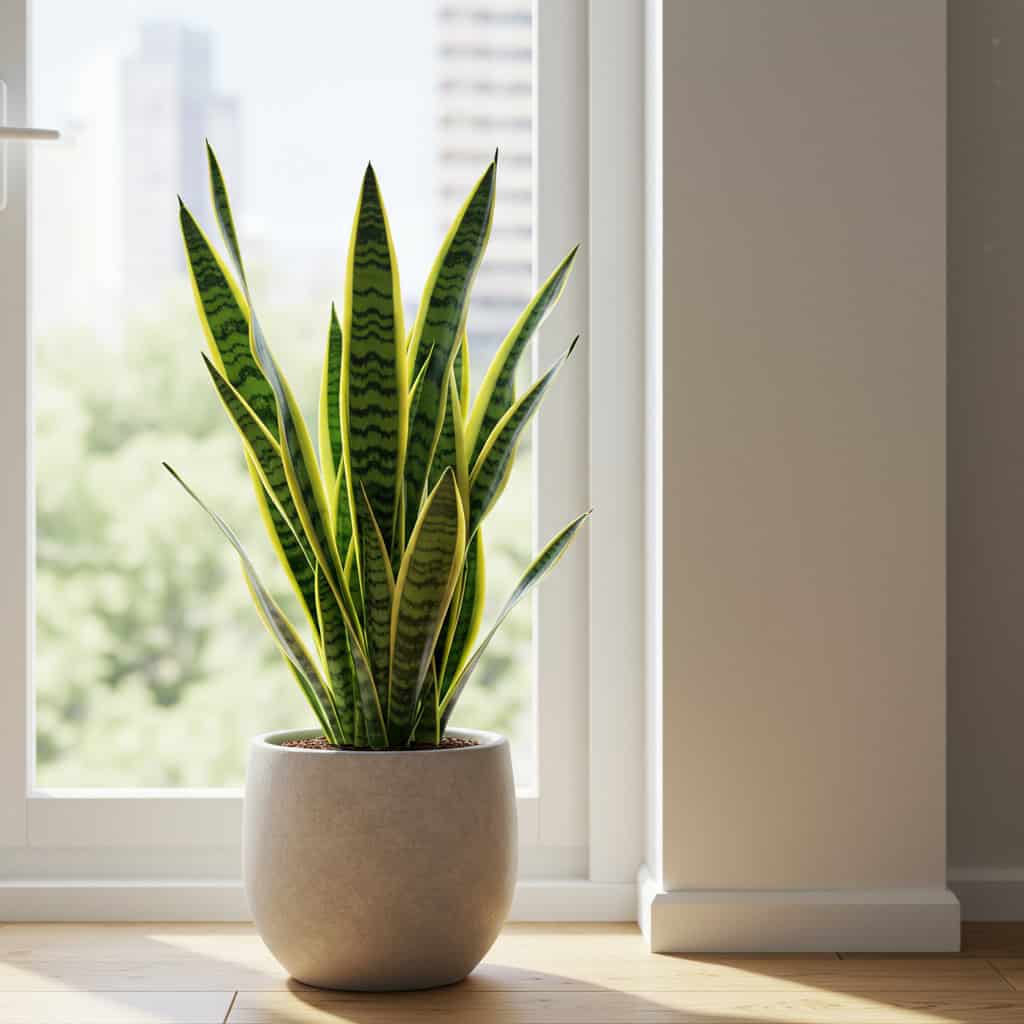
A vibrant snake plant (Sansevieria) stands tall in a modern pot, adding fresh greenery to a cozy indoor space. | Generated by Google Gemini

The snake plant, or Sansevieria, is renowned for its remarkable durability and ability to flourish under conditions that would challenge most other houseplants. It easily tolerates low light, infrequent watering, and fluctuating temperatures, making it ideal for forgetful or busy gardeners. Unlike many delicate plants, snake plants are nearly indestructible and can bounce back from neglect with ease. Additionally, they help purify indoor air by removing toxins, enhancing both aesthetics and indoor air quality. For a comprehensive care guide, check out The Spruce’s guide to growing snake plants.

2. ZZ Plant (Zamioculcas zamiifolia)

2. ZZ Plant (Zamioculcas zamiifolia)
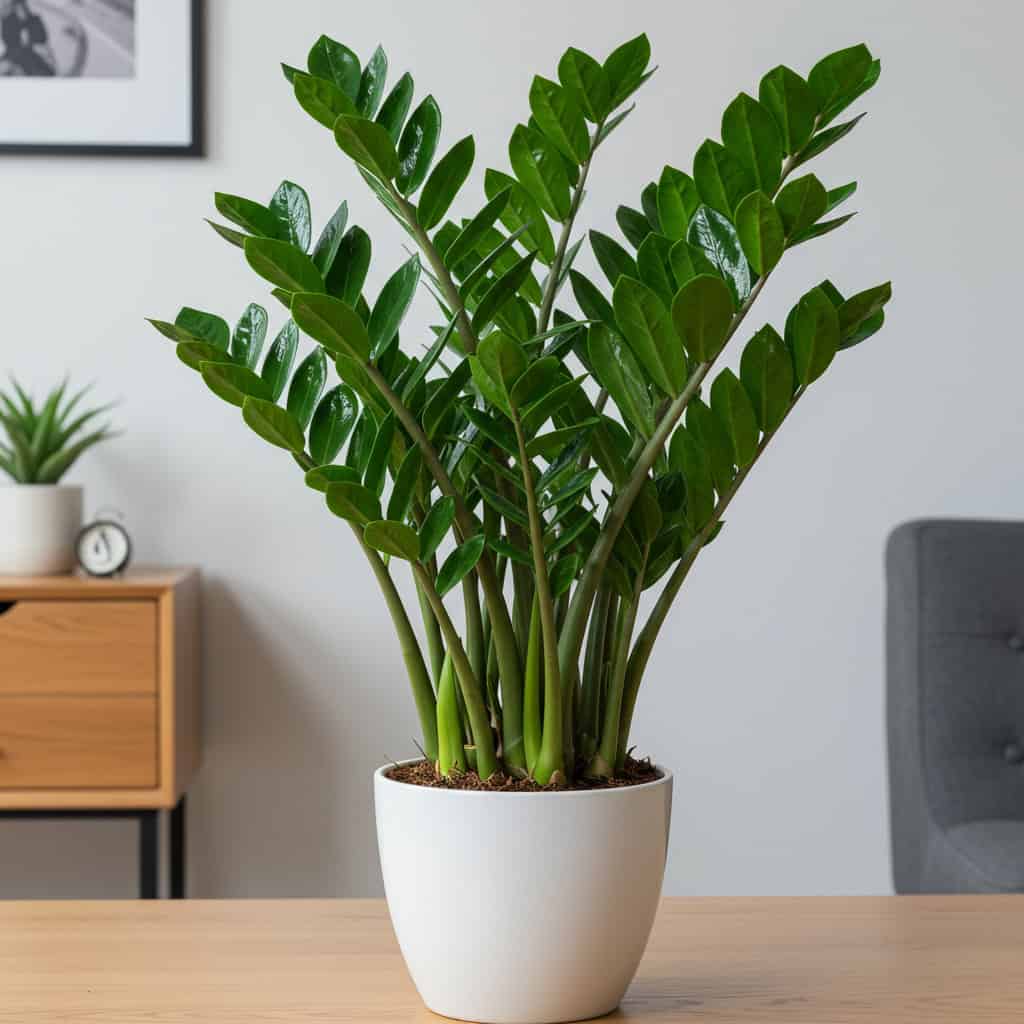
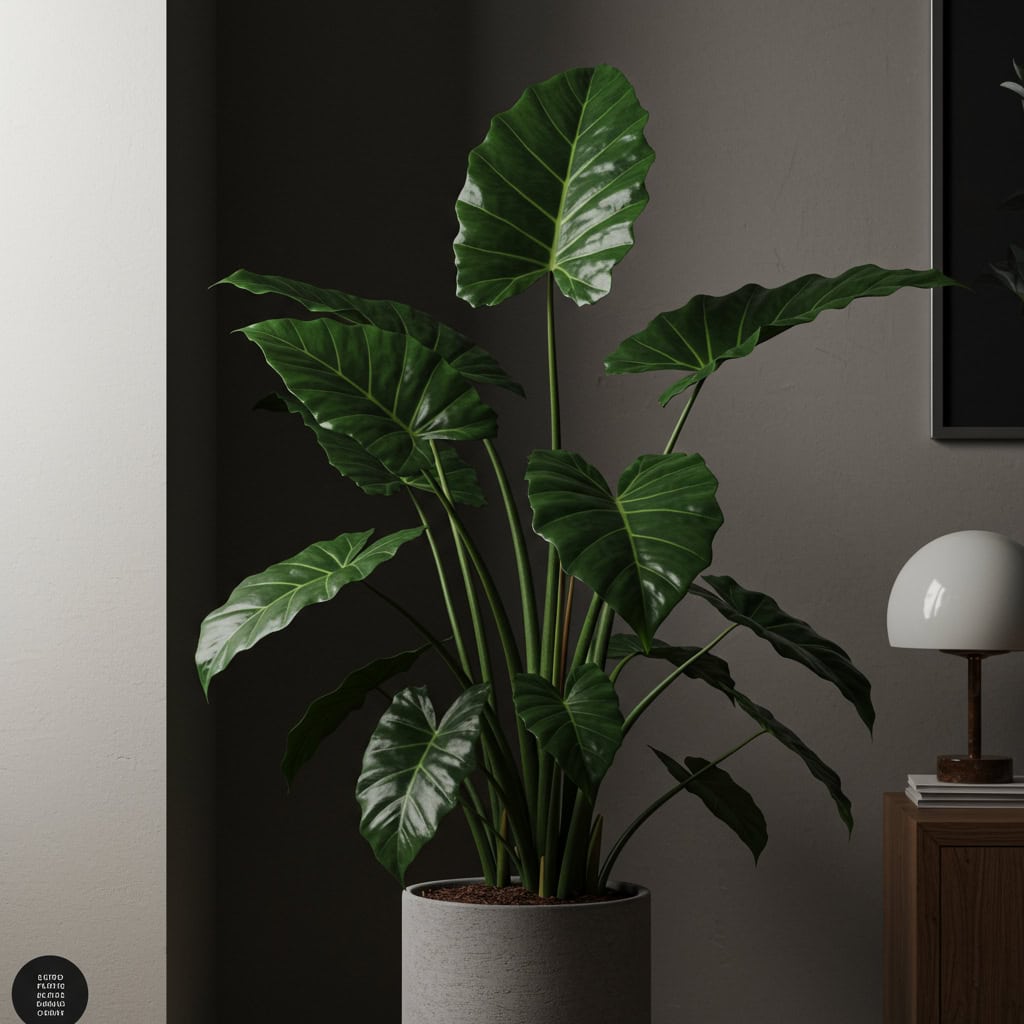
A lush ZZ plant (Zamioculcas zamiifolia) brings vibrant green life to a modern office workspace. | Generated by Google Gemini

The ZZ plant (Zamioculcas zamiifolia) is celebrated for its exceptional drought resistance and ability to thrive in low-light conditions, making it an excellent choice for busy gardeners and office environments. Its attractive, waxy, deep green leaves not only add a touch of elegance but also help limit pest problems. The ZZ plant requires minimal watering and adapts well to various indoor settings, from homes to workplaces. Its resilience and undemanding nature make it a top pick for those seeking beauty with little effort. Discover more at the University of Florida IFAS Extension.

3. Pothos (Epipremnum aureum)

3. Pothos (Epipremnum aureum)
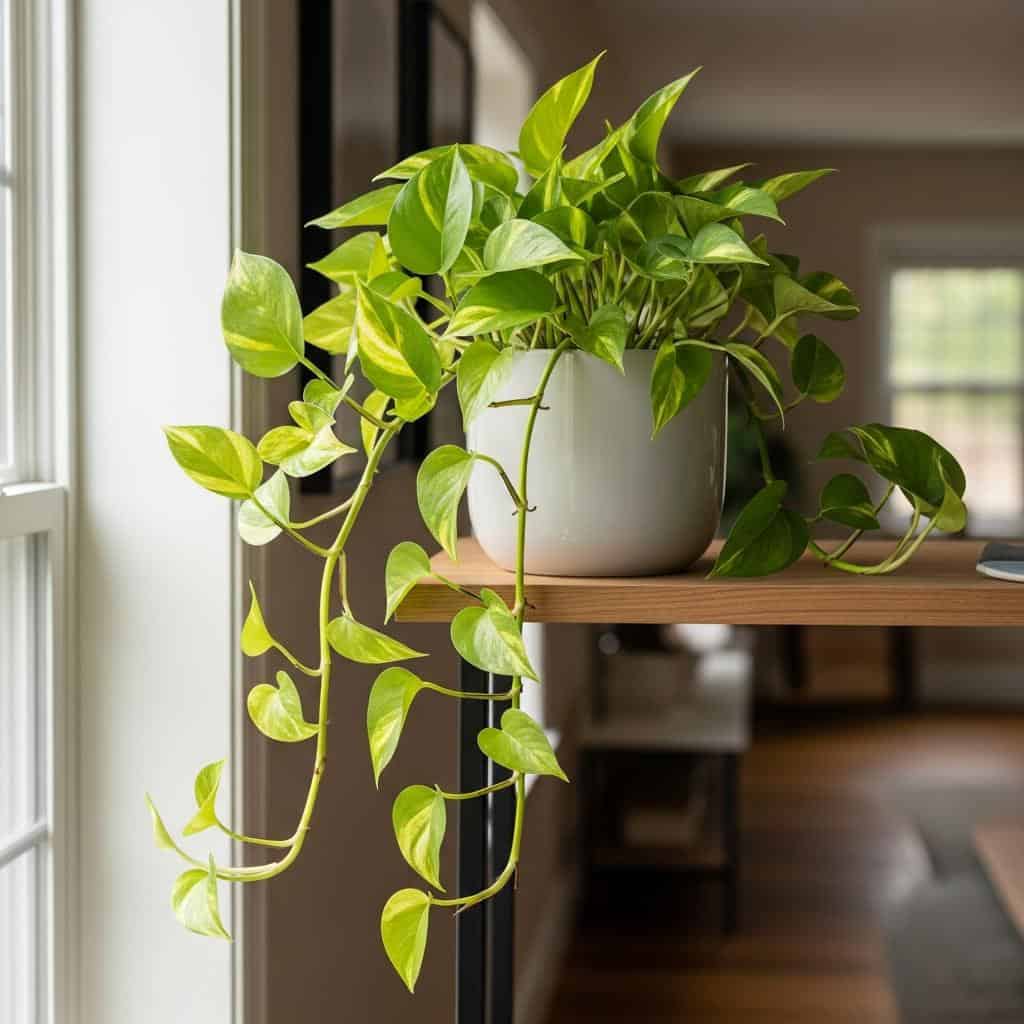
Lush Pothos vines thrive in diverse light, offering vibrant, low-maintenance greenery for any space. | Generated by Google Gemini

Pothos (Epipremnum aureum) is prized for its lush, trailing vines that bring instant greenery to any room. This adaptable plant thrives in various lighting conditions, from low light to bright, indirect sunlight. It’s notably forgiving of inconsistent watering, bouncing back quickly after periods of neglect. Pothos is also a fast grower, rapidly filling empty spaces with its vibrant foliage. Much like the philodendron, it’s celebrated for being exceptionally easy to care for, making it ideal for beginners and busy gardeners alike. For detailed care information, refer to the Missouri Botanical Garden.

4. Spider Plant (Chlorophytum comosum)

4. Spider Plant (Chlorophytum comosum)
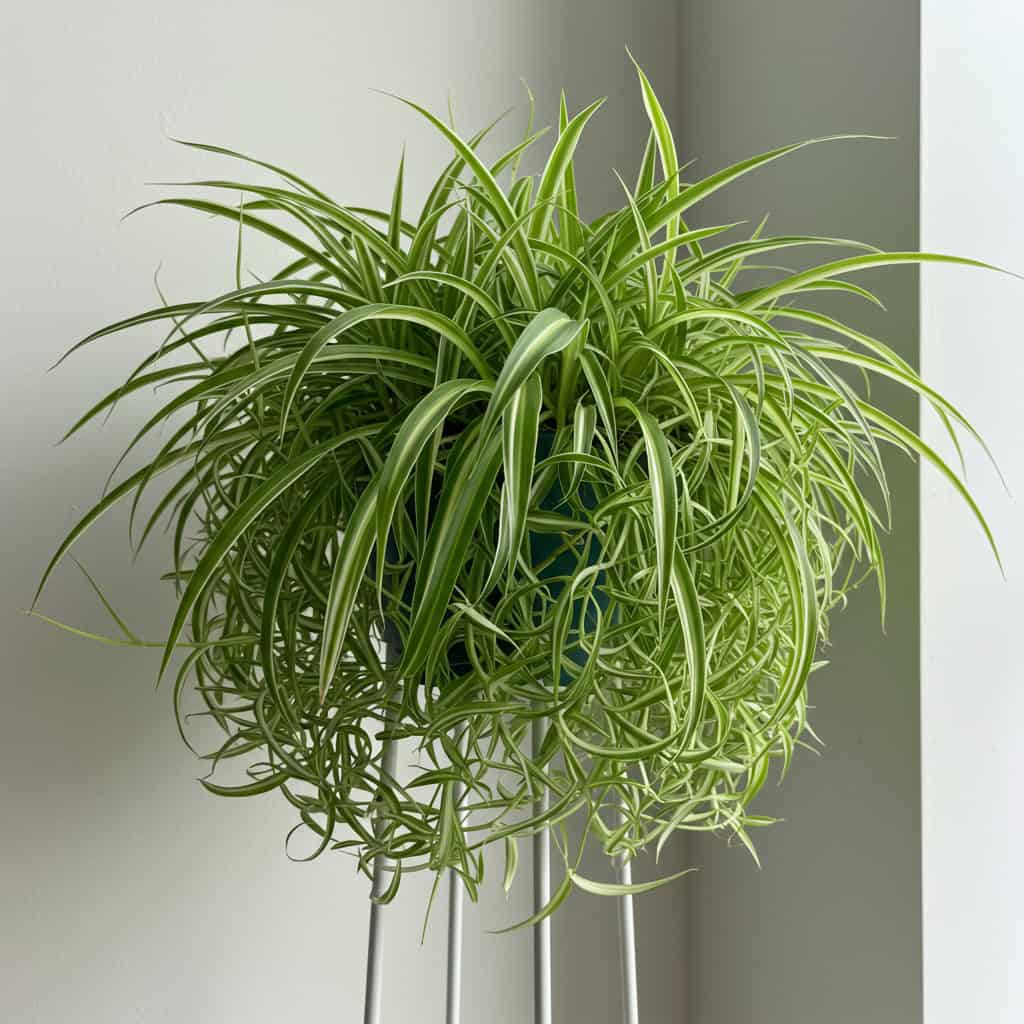
A vibrant spider plant (Chlorophytum comosum) sits in a bright room, its arching leaves adding lively greenery indoors. | Generated by Google Gemini

The spider plant (Chlorophytum comosum) is celebrated for its resilient and forgiving nature, making it a favorite among busy gardeners. It thrives in bright, indirect light but can also tolerate lower light conditions, and it easily recovers from the occasional missed watering. One of its most charming features is the production of baby ‘spiderettes,’ which dangle gracefully from the parent plant and are simple to propagate. Additionally, spider plants are well-known for their ability to help purify indoor air. For more details, visit the Royal Horticultural Society.

5. Jade Plant (Crassula ovata)

5. Jade Plant (Crassula ovata)
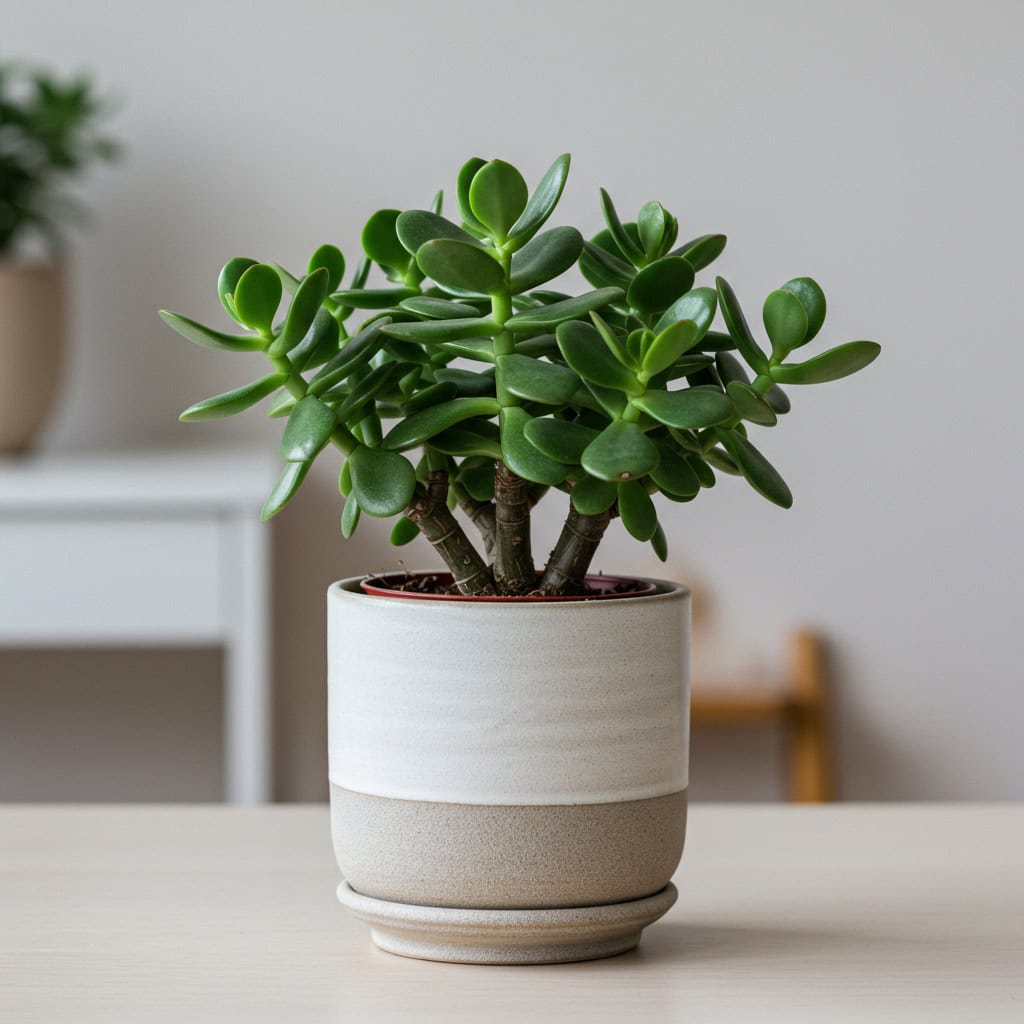
A lush jade plant (Crassula ovata) shows off its plump, glossy succulent leaves in a sunlit pot. | Generated by Google Gemini

The jade plant (Crassula ovata) is a classic succulent prized for its thick, fleshy leaves that store water, allowing it to thrive with infrequent watering. This makes it especially suitable for gardeners who may forget a watering or two. Unlike many other succulents, the jade plant grows slowly but can live for many years, often becoming a cherished heirloom. Its compact growth and resilience to neglect make it perfect for desks and indoor spaces. For more care tips and detailed information, visit the University of Wisconsin Horticulture.

6. Peace Lily (Spathiphyllum)

6. Peace Lily (Spathiphyllum)
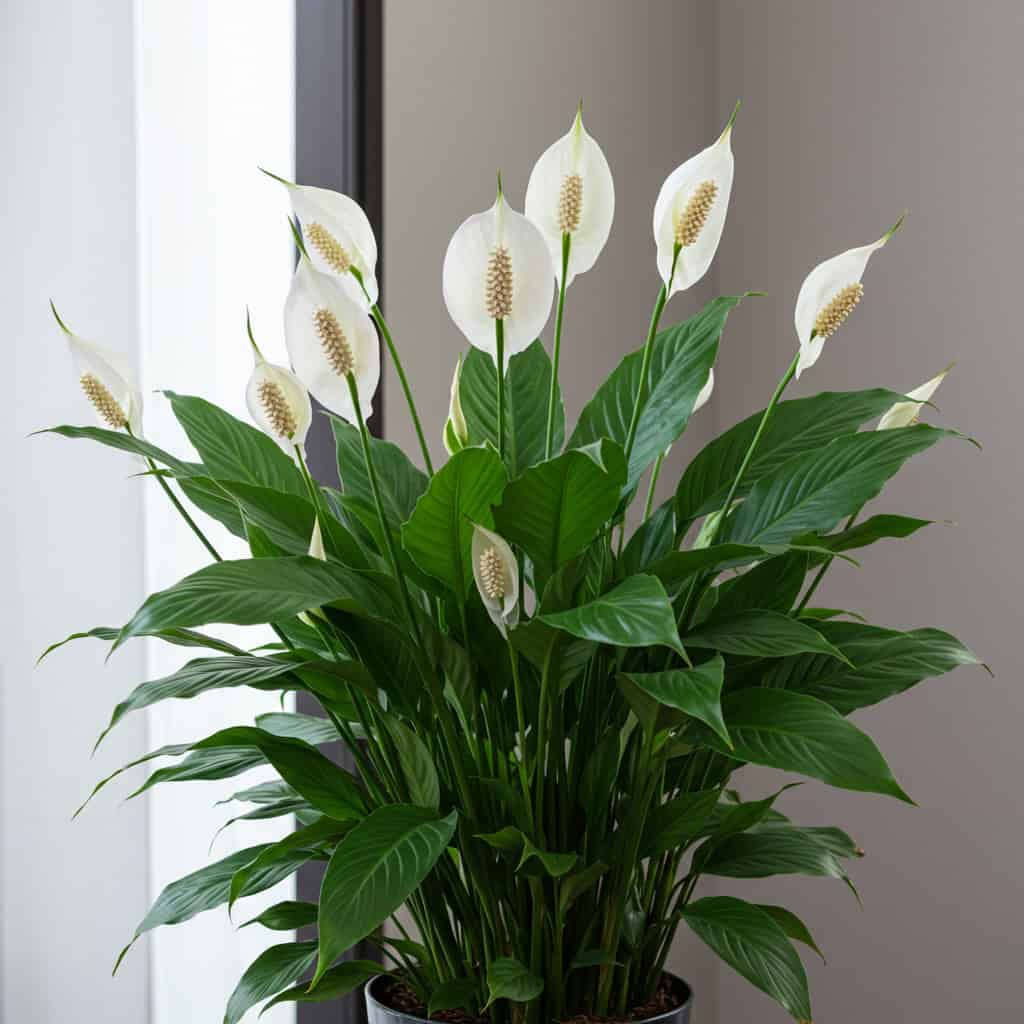
A graceful peace lily (Spathiphyllum) shows off its glossy leaves and delicate white blooms as a thriving houseplant. | Generated by Google Gemini

The peace lily (Spathiphyllum) is renowned for its adaptability, thriving in low-light environments and forgiving occasional lapses in watering. Its graceful, white blooms and lush green leaves bring a touch of elegance to any interior space. Additionally, peace lilies are celebrated for their ability to improve indoor air quality by filtering out common toxins. However, it’s important to note that all parts of the plant are toxic to pets if ingested, so caution is advised in households with animals. For more information on care and safety, consult the Clemson University Cooperative Extension.

7. Aloe Vera

7. Aloe Vera
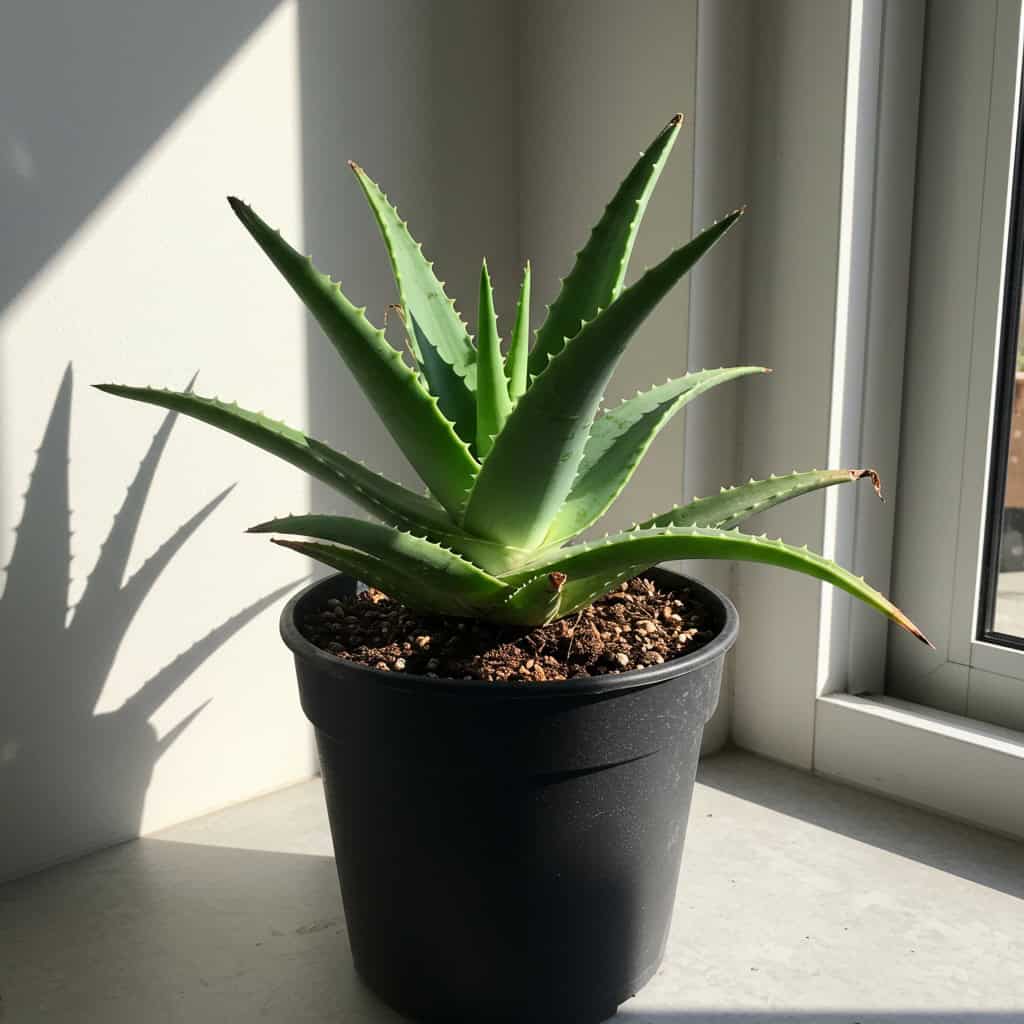
A vibrant aloe vera succulent displays its thick, fleshy leaves—celebrated both for beauty and natural healing properties. | Generated by Google Gemini

Aloe vera is a hardy succulent that thrives in dry, well-draining soil and requires only infrequent watering, making it an ideal choice for forgetful or busy gardeners. Its care needs are similar to those of other succulents, demanding minimal attention and plenty of sunlight. Beyond its resilience, aloe vera is valued for its soothing gel, commonly used to treat minor burns and skin irritations. This dual-purpose plant adds both beauty and practical benefits to the home. To learn more about aloe vera’s medicinal properties and care, visit the Mayo Clinic.

8. Cast Iron Plant (Aspidistra elatior)

8. Cast Iron Plant (Aspidistra elatior)
Lush, deep green leaves of the hardy cast iron plant (Aspidistra elatior) thrive in a shaded garden corner. | Generated by Google Gemini

The cast iron plant (Aspidistra elatior) truly lives up to its name, renowned for surviving neglect, low light, and dramatic temperature swings with ease. Much like the resilient snake plant, the cast iron plant is an excellent option for those seeking a no-fuss indoor green companion. Its broad, deep-green leaves remain attractive even in less-than-ideal conditions, making it perfect for dim corners and busy lifestyles. This plant is particularly suited for gardeners who want beauty without the burden of constant care. For more information, visit the North Carolina State Extension.

9. Rubber Plant (Ficus elastica)

9. Rubber Plant (Ficus elastica)
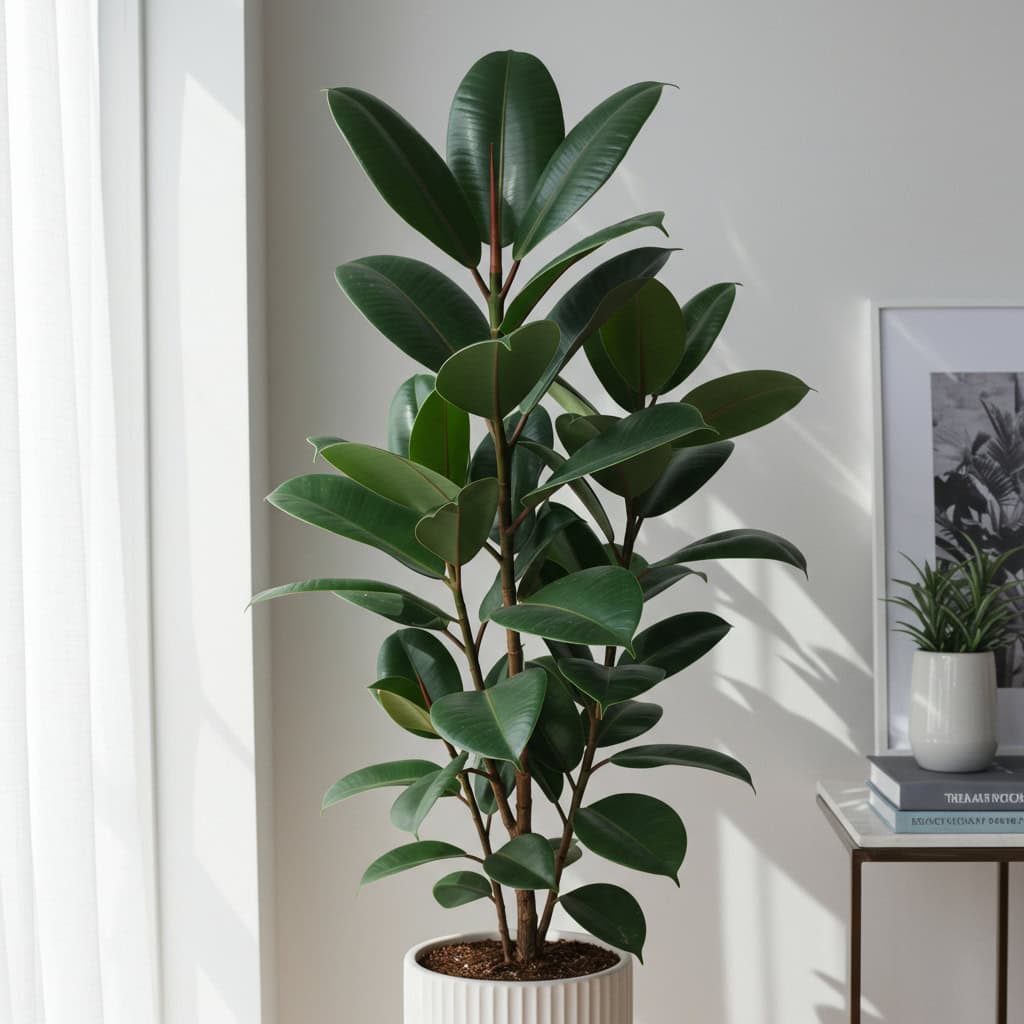
A vibrant rubber plant (Ficus elastica) stands tall as an elegant indoor tree, its glossy leaves catching the light. | Generated by Google Gemini

The rubber plant (Ficus elastica) is celebrated for its adaptability, thriving in a range of lighting conditions from bright, indirect sunlight to partial shade. It requires only occasional watering, making it an excellent choice for those with busy routines. The plant’s large, glossy, dark green leaves add a striking visual element to any room while also helping to purify the air. With minimal pest issues and simple care needs, the rubber plant is a reliable addition to any indoor space. For more details on care and benefits, visit University of Florida Gardening Solutions.

10. Aglaonema (Chinese Evergreen)

10. Aglaonema (Chinese Evergreen)
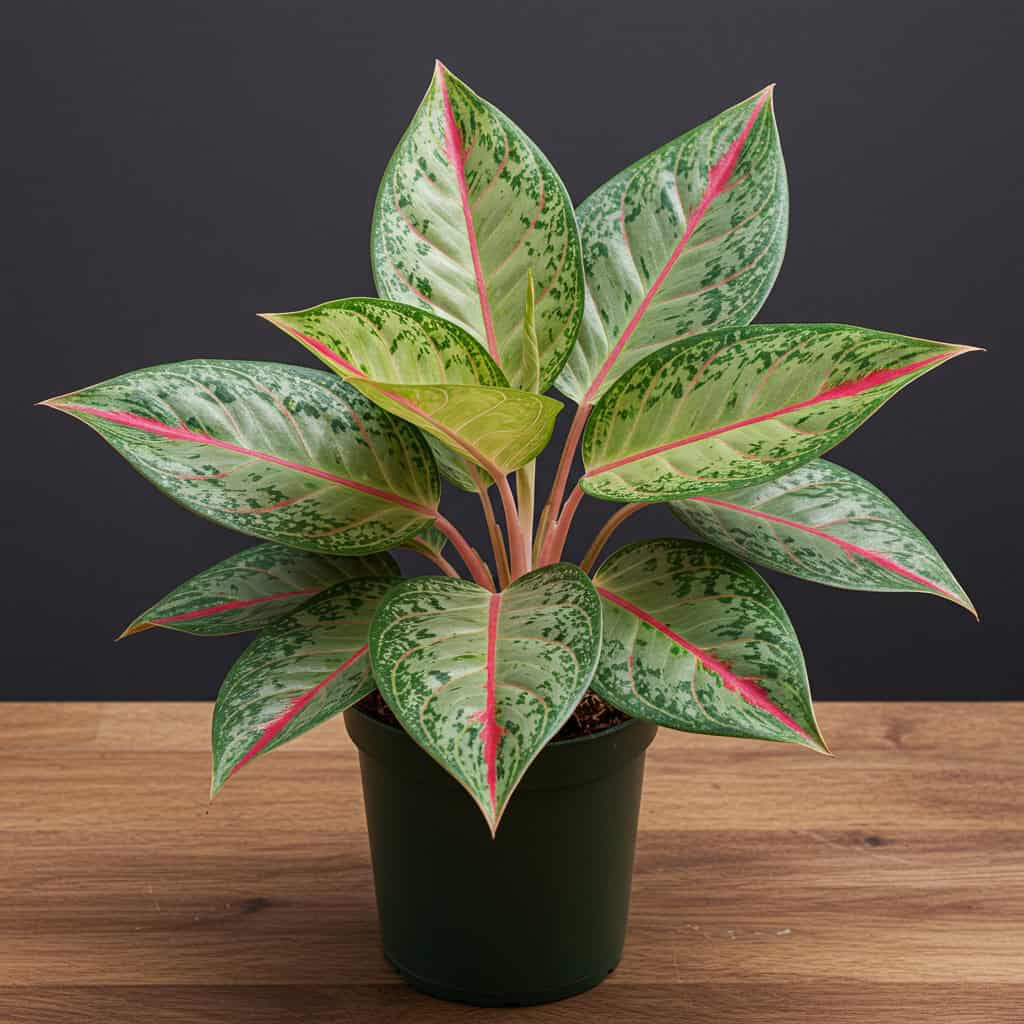
A vibrant Aglaonema, or Chinese Evergreen, showcases its colorful leaves in a lush display of pinks and greens. | Generated by Google Gemini

Aglaonema, commonly known as Chinese evergreen, is prized for its ability to thrive in low light and varying humidity levels, making it one of the easiest houseplants to care for. Its attractive, often variegated foliage comes in shades of green, silver, pink, or red, adding vibrant color to any indoor space. Aglaonema compares favorably to dieffenbachia for its low-maintenance requirements and similar decorative appeal. This undemanding plant is especially suitable for beginners or those with less-than-ideal indoor environments. To learn more about aglaonema’s care and benefits, see the University of Illinois Extension.

11. Sedum (Stonecrop)

11. Sedum (Stonecrop)
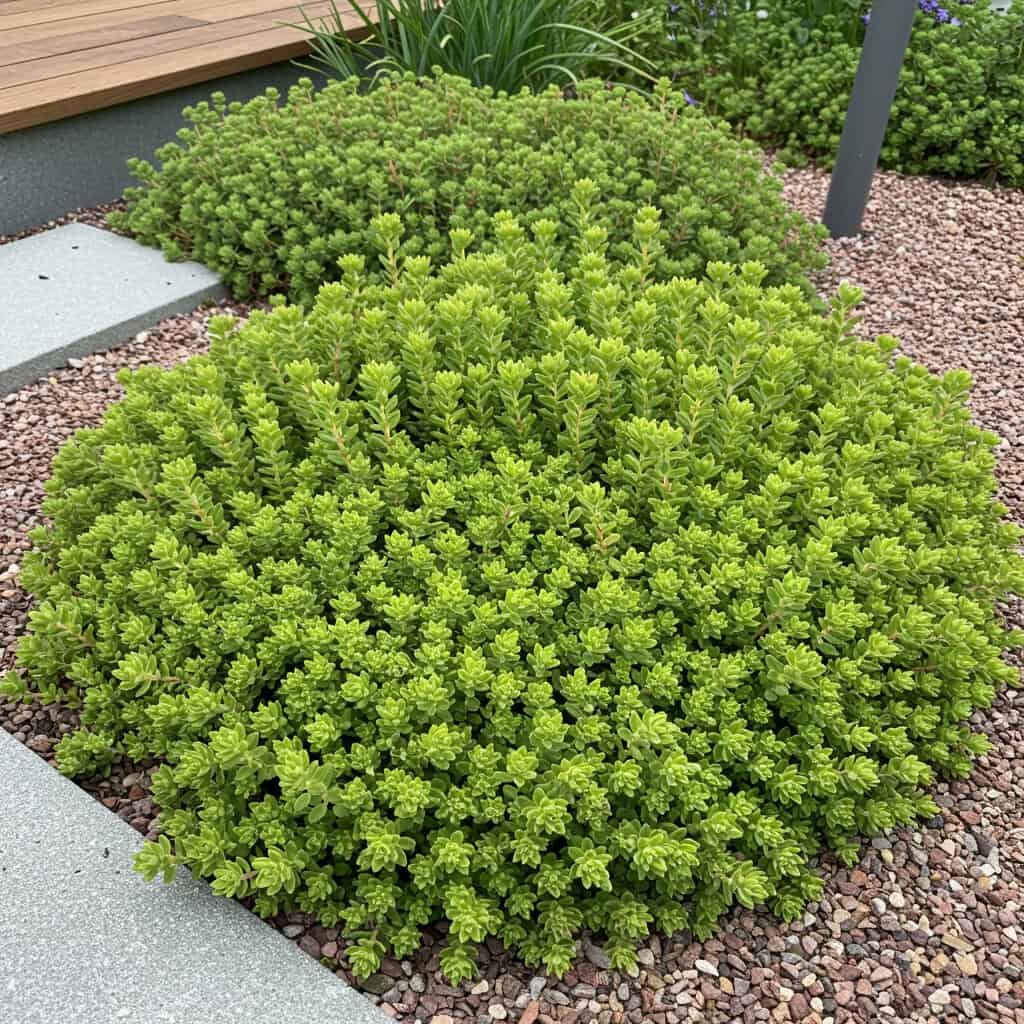
Clusters of vibrant sedum stonecrop thrive among rocky soil, showcasing their drought-tolerant beauty in a sunlit garden. | Generated by Google Gemini

Sedum, also known as stonecrop, is an exceptionally drought-tolerant plant that excels in poor, well-draining soils, making it a top choice for low-maintenance outdoor gardens. This hardy succulent comes in a wide range of forms, from sprawling groundcovers that quickly fill empty spaces to upright varieties that add vertical interest and texture. Both types are resilient, thriving with minimal watering and care. Sedum’s versatility and ability to withstand neglect set it apart from many other garden plants. For more information on varieties and growing tips, visit the Missouri Botanical Garden.

12. Lavender

12. Lavender
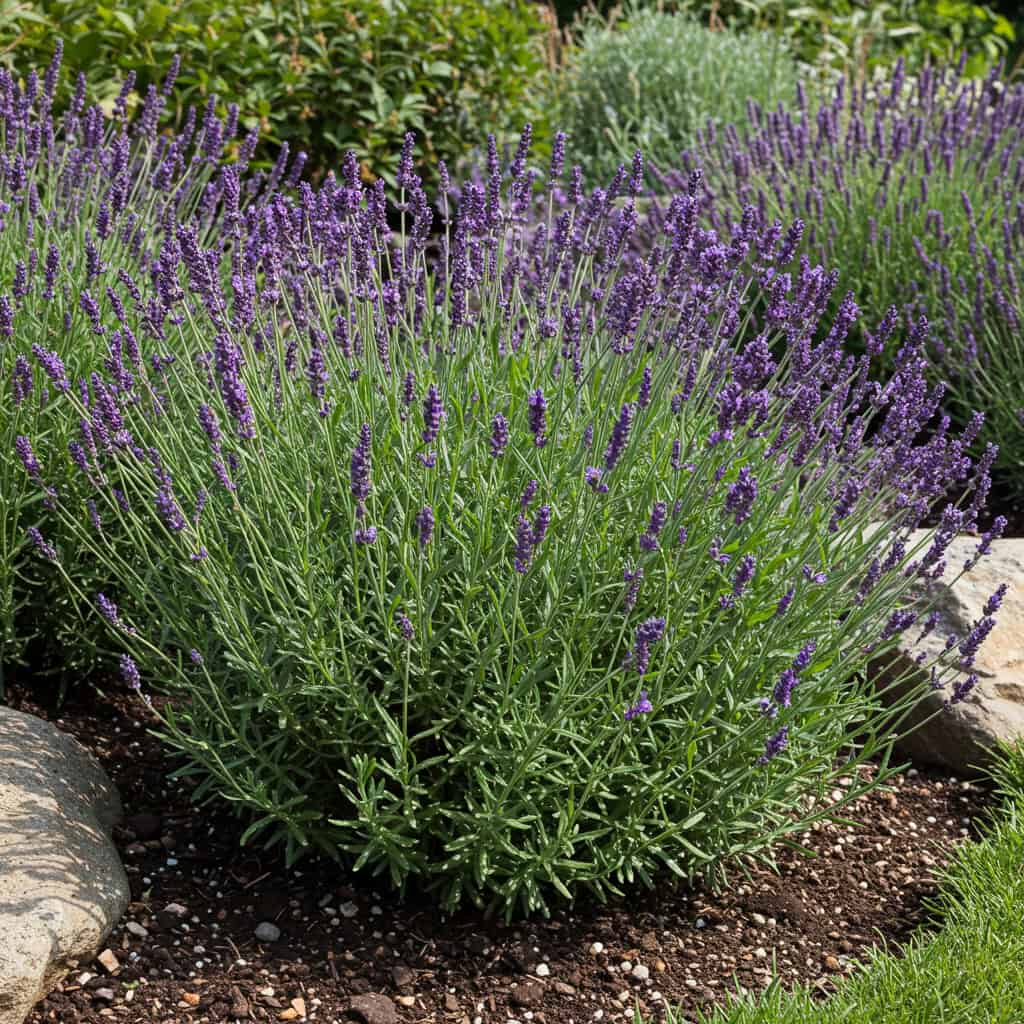
A lush cluster of lavender blooms bursts with vibrant purple hues, filling the air with a soothing, fragrant aroma. | Generated by Google Gemini

Lavender thrives in full sun and well-drained soil, requiring only occasional watering once established. Its fragrant purple flowers not only add beauty to gardens but also naturally repel pests, making maintenance even easier. Much like rosemary, lavender prefers neglect over overwatering, making it perfect for gardeners seeking resilient, aromatic plants. This hardy herb is well-suited for borders, containers, or even rock gardens, and its lovely scent can be enjoyed both outdoors and as dried arrangements indoors. For more detailed growing advice and care tips, visit the Royal Horticultural Society.

Conclusion

Conclusion
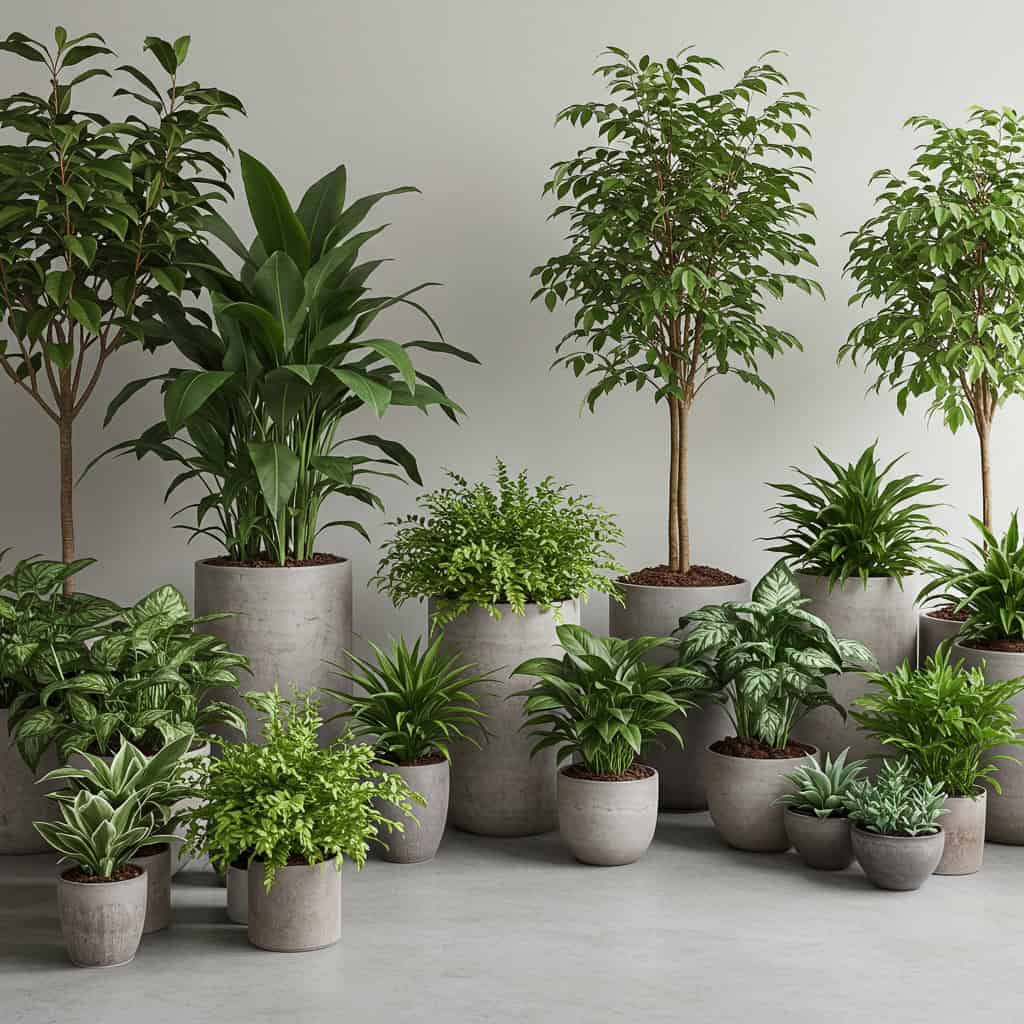
A vibrant collection of indoor plants is thoughtfully arranged on wooden shelves, showcasing easy gardening at its best. | Generated by Google Gemini

Choosing low-maintenance plants is a smart strategy for anyone who wants to enjoy the benefits of lush greenery without devoting endless hours to plant care. These hardy varieties thrive with minimal attention, making gardening accessible even for those with the busiest lifestyles. From purifying the air to brightening up living spaces, these plants offer significant rewards with little effort required. Experimenting with a few of these resilient options can transform your home or garden into a relaxing, vibrant retreat.

Advertisement