How to Create a Year-Round Garden That Thrives in Any Season

Robin - December 29, 2025
Share

Imagine stepping into a vibrant garden no matter the month—lush blooms in summer, striking foliage in autumn, resilient greens in winter, and a fresh burst of life each spring. A year-round garden not only beautifies your outdoor space but also supports local wildlife and provides a relaxing retreat. In this guide, you’ll discover practical steps for selecting plants, designing layouts, and maintaining a thriving landscape through every season.

Assess Your Climate and Garden Space

Step 1: Assess Your Climate and Garden Space
Assessing local climate, sunlight patterns, and space to guide successful plant selection and garden layout. | Generated by Google Gemini

Before planting, it’s crucial to understand your local climate and garden’s microclimate. Identify your USDA Hardiness Zone to determine which plants will thrive throughout the year. Observe how sunlight moves across your space, noting areas of full sun, partial shade, or deep shade.

Measure your available garden area—whether you have expansive beds, containers, or a small urban plot. This assessment helps you make informed decisions about plant selection and layout. For detailed zone information, visit the USDA Plant Hardiness Zone Map and tailor your garden to your unique conditions.

Plan for Four Seasons of Plant Interest

Step 2: Plan for Four Seasons of Plant Interest
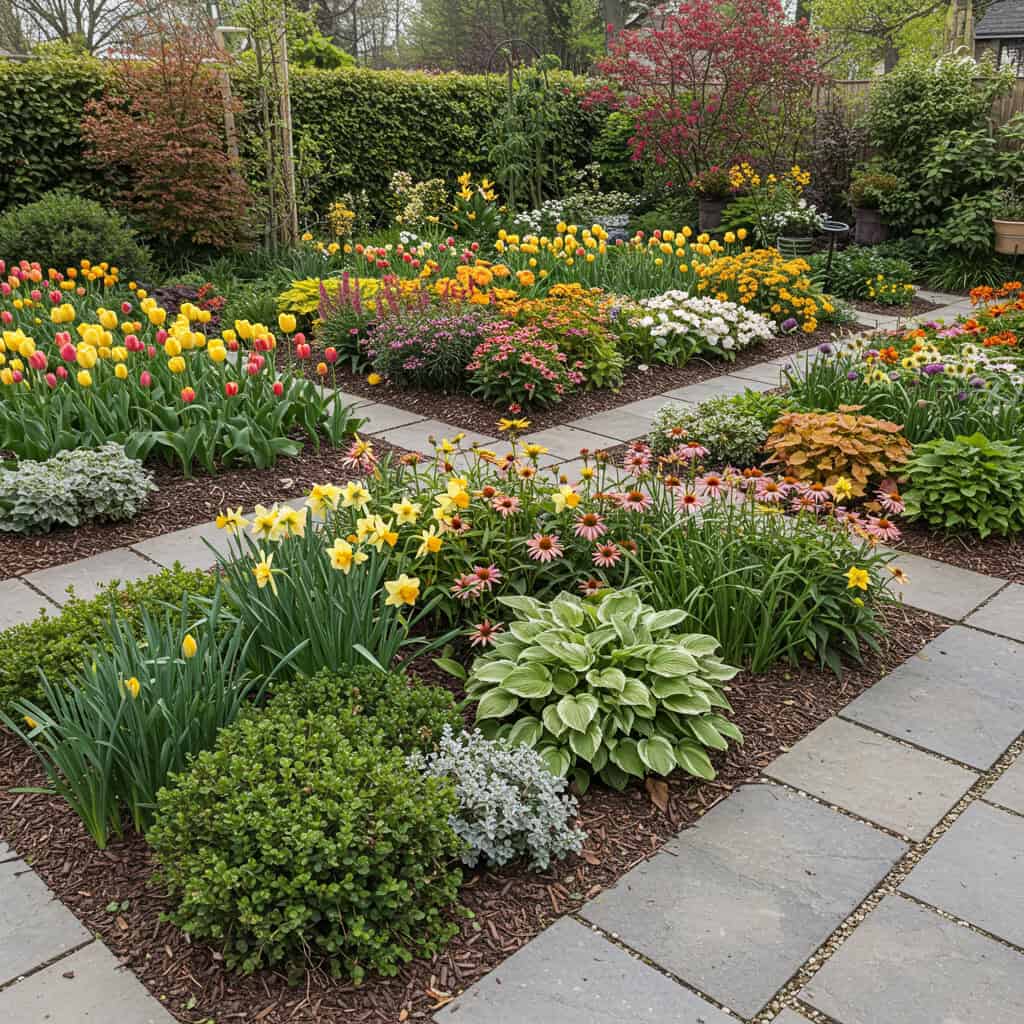
Layered plant selections provide continuous color, texture, and interest throughout all four seasons. | Generated by Google Gemini

To achieve year-round appeal, choose a diverse mix of plants that shine in different seasons. Incorporate spring bulbs, summer perennials, autumn foliage, and winter evergreens for continuous color and texture. Include shrubs with colorful stems, ornamental grasses, and plants with winter berries to add off-season charm.

Layering your selections ensures that as one plant fades, another takes center stage. For inspiration and plant recommendations suited to each season, explore the Four-Season Garden Guide by Gardener’s Supply Company and craft a landscape that captivates all year.

Select Hardy, Perennial, and Seasonal Plants

Step 3: Select Hardy, Perennial, and Seasonal Plants
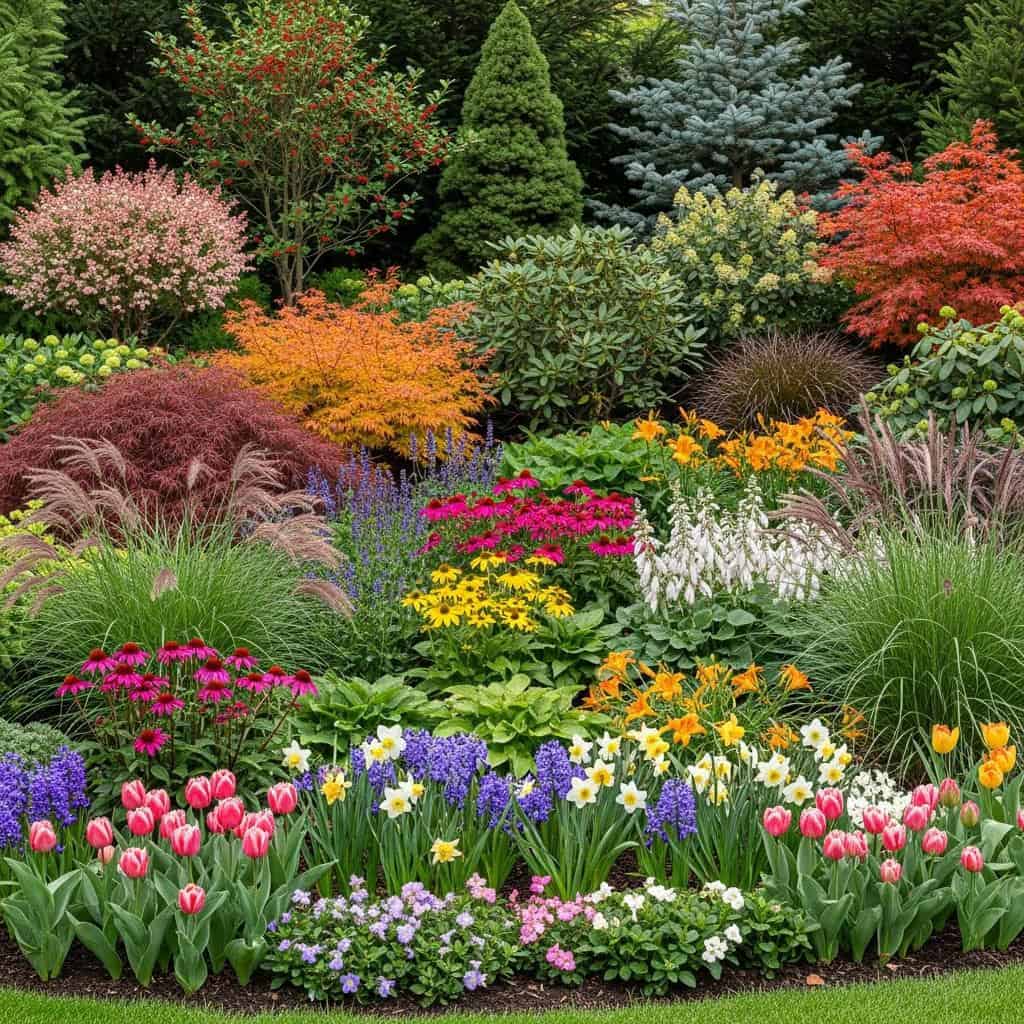
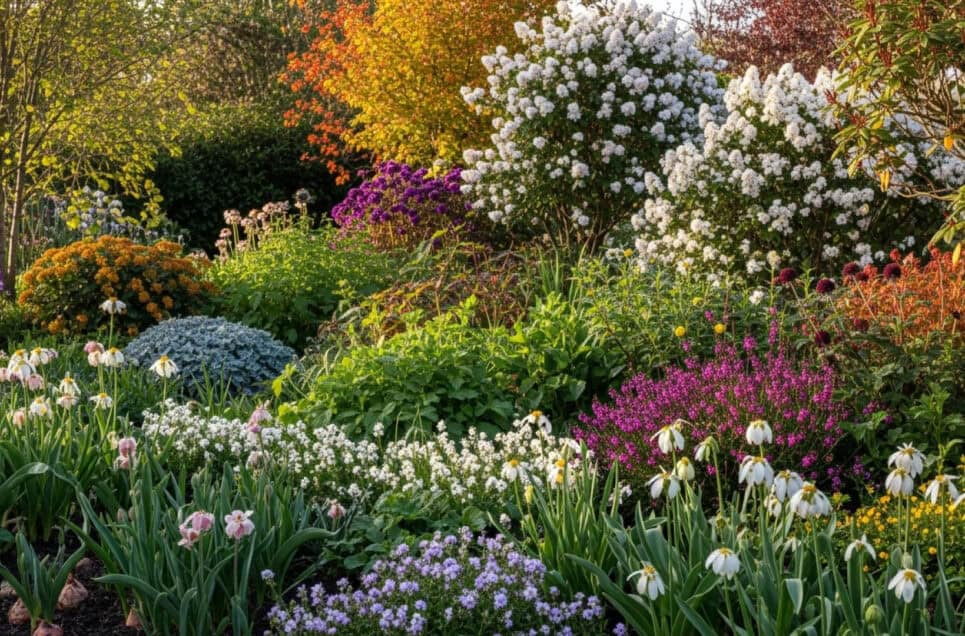
A vibrant garden bed bursts with perennial plants, colorful flowering bulbs, and hardy shrubs in full seasonal bloom. | Generated by Google Gemini

Building a resilient garden starts with choosing plants suited to your region. Opt for hardy perennials, such as coneflowers and hostas, which return each year with minimal effort. Supplement these with annuals for vibrant bursts of color and bulbs like tulips or daffodils to brighten springtime.

Make sure your selections align with your climate zone for reliable success. Mixing these plant types ensures ongoing blooms and foliage in every season. For climate-appropriate plant lists, consult the Better Homes & Gardens Perennial Plant Guide to keep your garden flourishing year-round.

Design Efficient Garden Beds and Layouts

Step 4: Design Efficient Garden Beds and Layouts
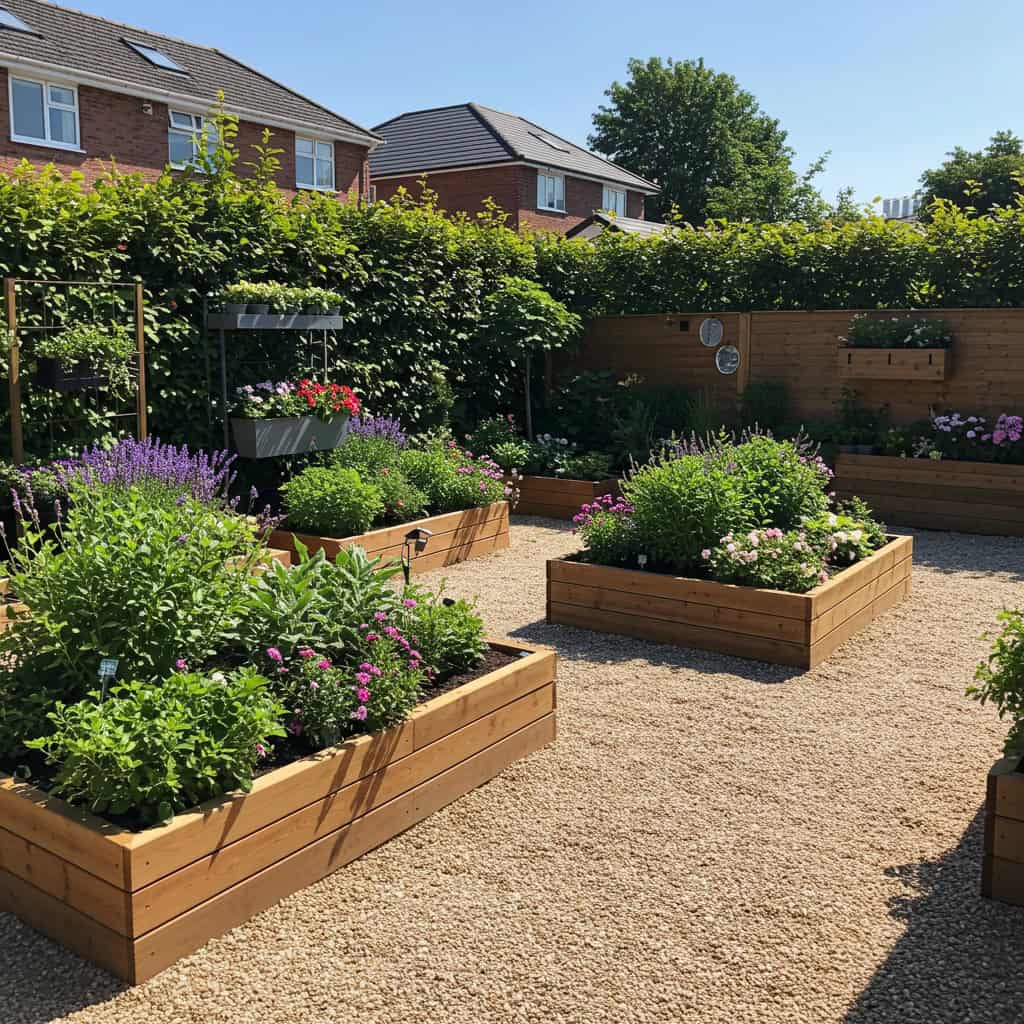
A thoughtfully designed garden layout showcases raised beds and colorful container plantings brimming with healthy, vibrant greens. | Generated by Google Gemini

Effective garden design enhances both beauty and functionality. Raised beds offer excellent drainage, easier maintenance, and extended growing seasons, while defined borders help organize plants by height and bloom time. Containers provide flexibility, allowing you to move or swap out seasonal plants as needed, especially in small spaces or patios.

Aim for layered planting to create depth and year-round interest. For practical tips on maximizing your garden layout, explore the RHS Guide to Raised Beds and transform your space for efficient, season-spanning gardening.

Incorporate Soil Improvement and Mulching

Step 5: Incorporate Soil Improvement and Mulching
Enriching soil with compost and mulch fosters year-round plant health and resilient garden ecosystems. | Generated by Google Gemini

Healthy soil is essential for a thriving garden throughout the year. Regularly enrich your soil with compost and organic matter to boost fertility, structure, and microbial life. Mulching around plants helps retain moisture during hot months, suppresses weeds, and insulates roots from winter cold.

Choose mulch materials like shredded bark, straw, or leaf mold for best results. These practices reduce maintenance and create a more resilient garden ecosystem. For expert advice on soil improvement and mulching, visit the University of Minnesota Extension Mulching Guide.

Plan for Watering and Irrigation Needs

Step 6: Plan for Watering and Irrigation Needs
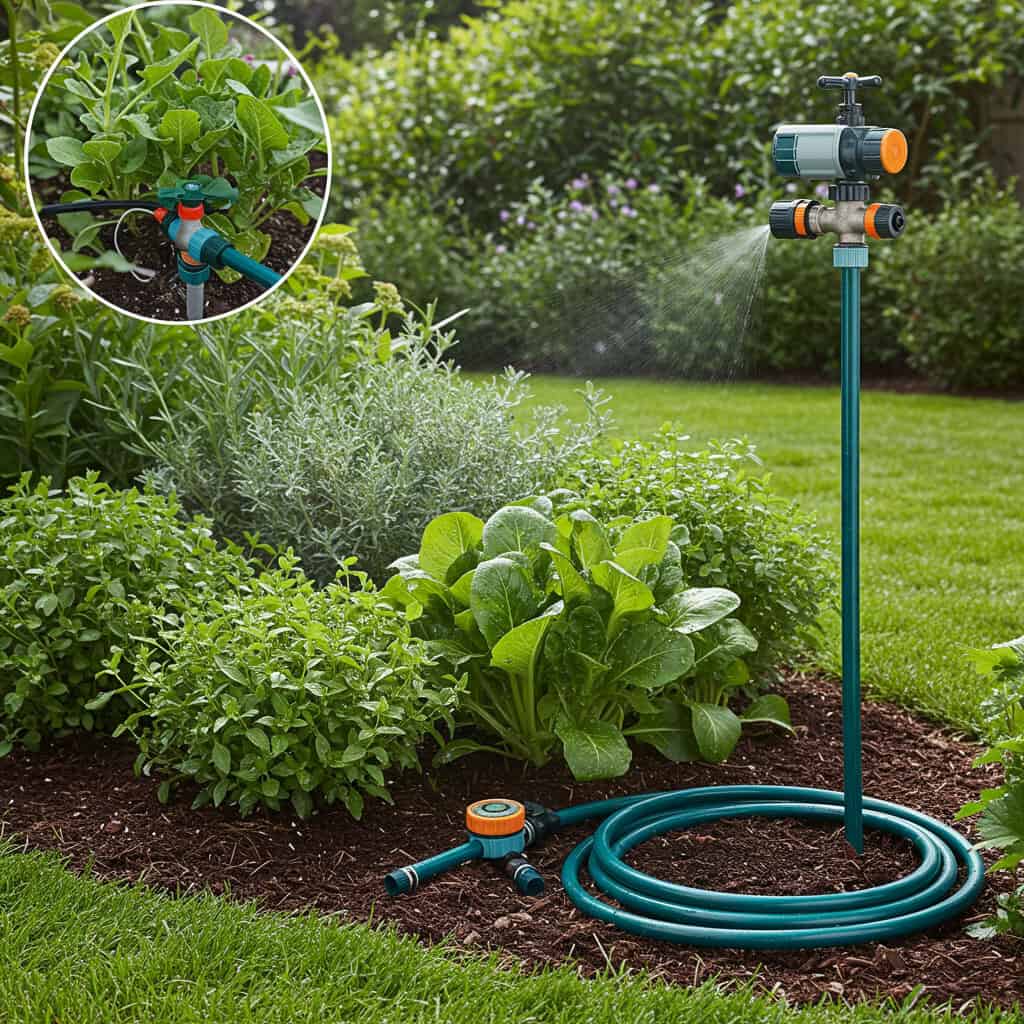
A well-organized drip irrigation system gently waters rows of vibrant garden plants, following a precise watering schedule. | Generated by Google Gemini

Consistent watering is vital for garden health, especially as seasonal needs fluctuate. Establish a regular watering schedule, adapting frequency for rainfall, temperature, and plant type. Drip irrigation systems and soaker hoses efficiently deliver moisture directly to roots, reducing evaporation and disease risk.

Consider installing timers for automated watering, ensuring plants receive care even during busy periods or vacations. Group plants with similar water needs to maximize efficiency. For guidance on creating an effective irrigation system, refer to the Colorado State University Drip Irrigation Guide.

Manage Pests and Plant Diseases Organically

Step 7: Manage Pests and Plant Diseases Organically
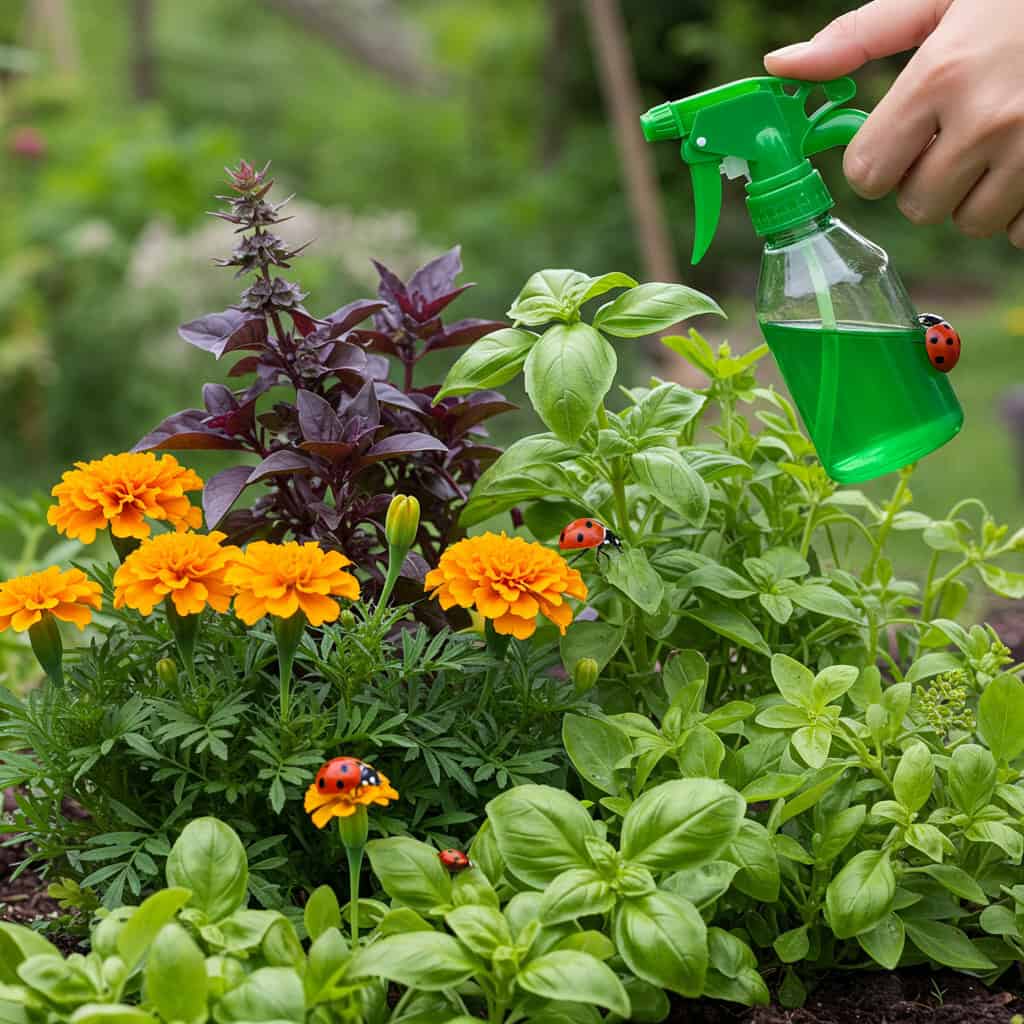
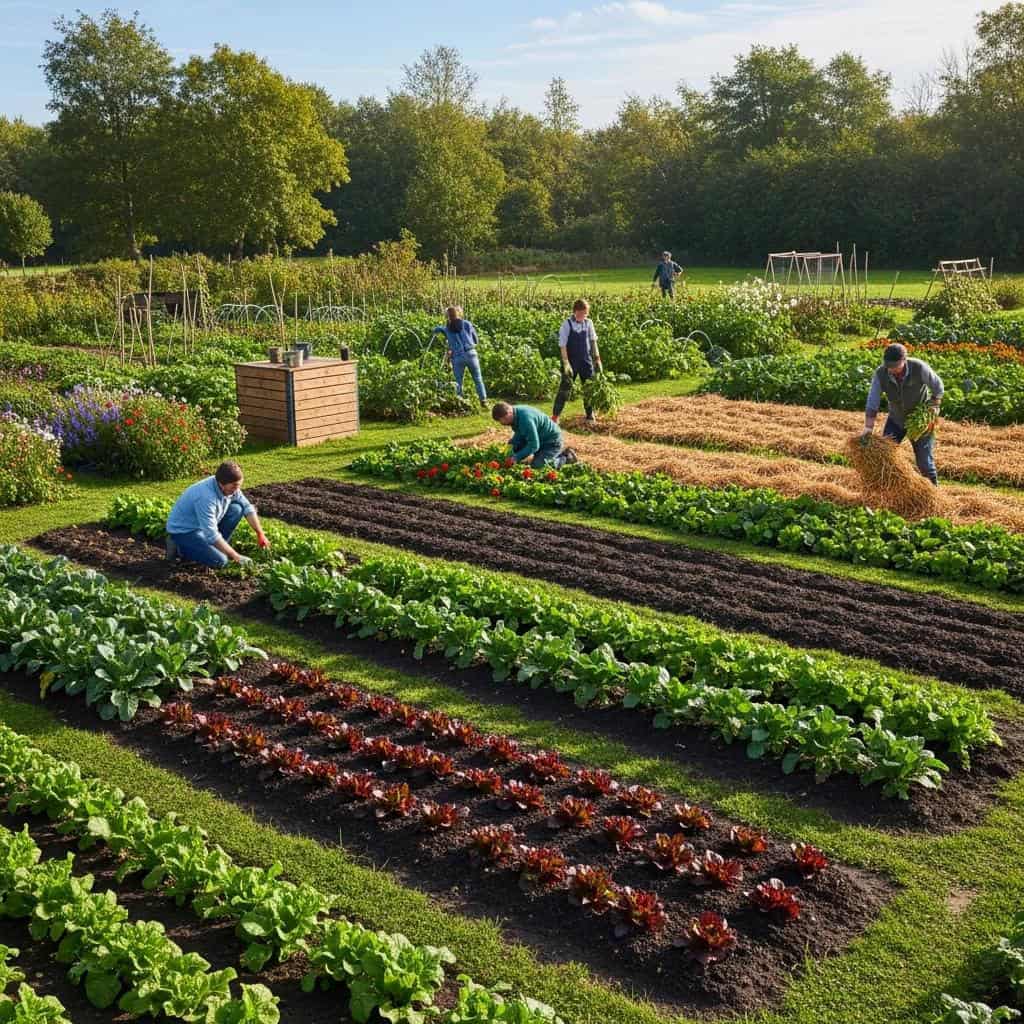
A vibrant vegetable garden thrives with companion plants, attracting beneficial insects for natural and organic pest control. | Generated by Google Gemini

Protect your garden naturally by adopting organic pest and disease management practices. Utilize companion planting—such as marigolds to deter aphids and basil to repel mosquitoes—to reduce infestations. Encourage beneficial insects like ladybugs and lacewings, which prey on harmful pests.

Regularly inspect plants for early signs of trouble and use organic treatments, such as neem oil or insecticidal soap, when needed. These methods maintain ecosystem balance and safeguard pollinators. For more sustainable pest solutions, explore guidance from the Garden Organic Pest and Disease Control Guide.

Rotate Crops and Refresh Plantings Seasonally

Step 8: Rotate Crops and Refresh Plantings Seasonally
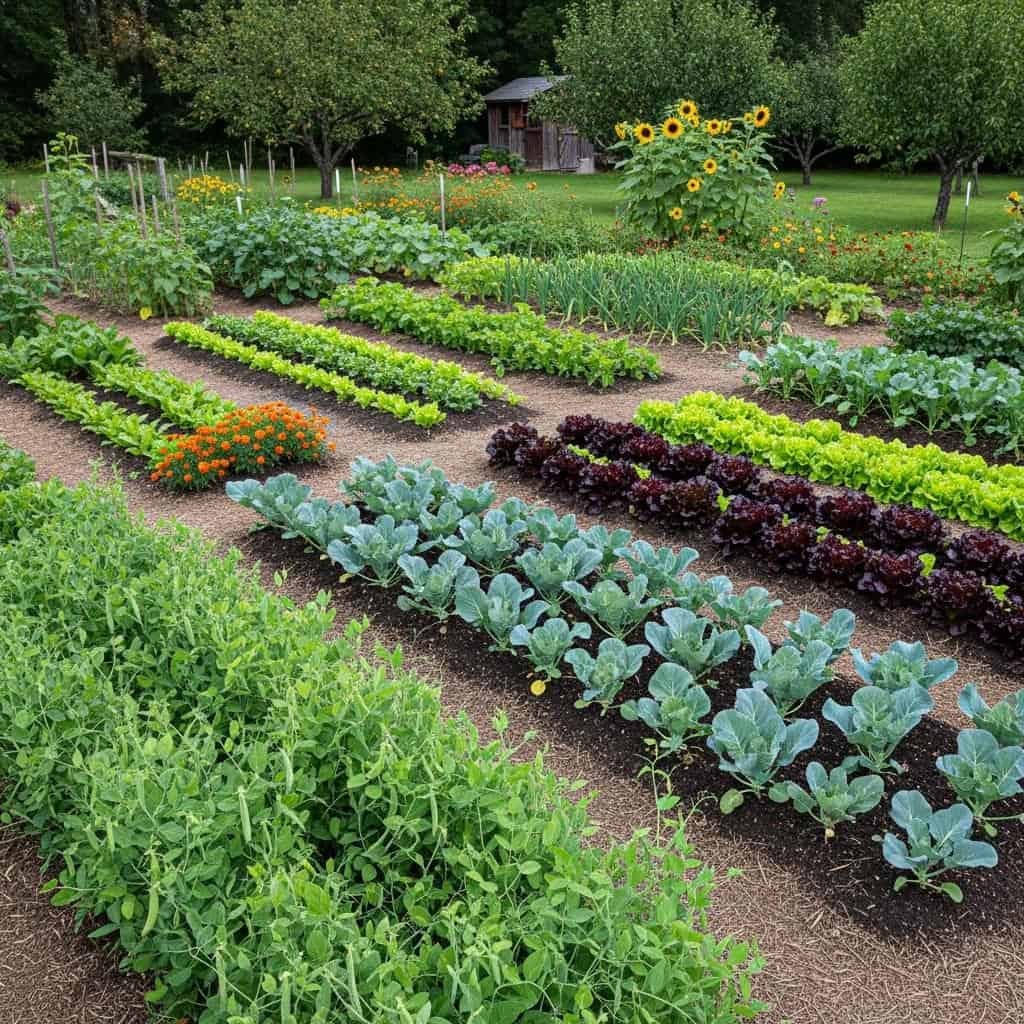
Strategic crop rotation and succession planting maintain soil health, deter pests, and boost seasonal harvests. | Generated by Google Gemini

Practicing crop rotation and succession planting helps prevent soil depletion, reduces pest buildup, and enhances harvests. Rotate plant families each season—such as following legumes with brassicas—to balance nutrients and disrupt pest cycles. Incorporate succession planting by sowing quick-growing crops after early harvests, ensuring continuous productivity.

Refresh garden beds with seasonal vegetables and flowers to maintain visual interest and maximize yields. This dynamic approach keeps your garden healthy and vibrant year-round. For more on crop rotation and succession techniques, consult the RHS Crop Rotation Guide.

Prepare for Winter and Extend the Growing Season

Step 9: Prepare for Winter and Extend the Growing Season
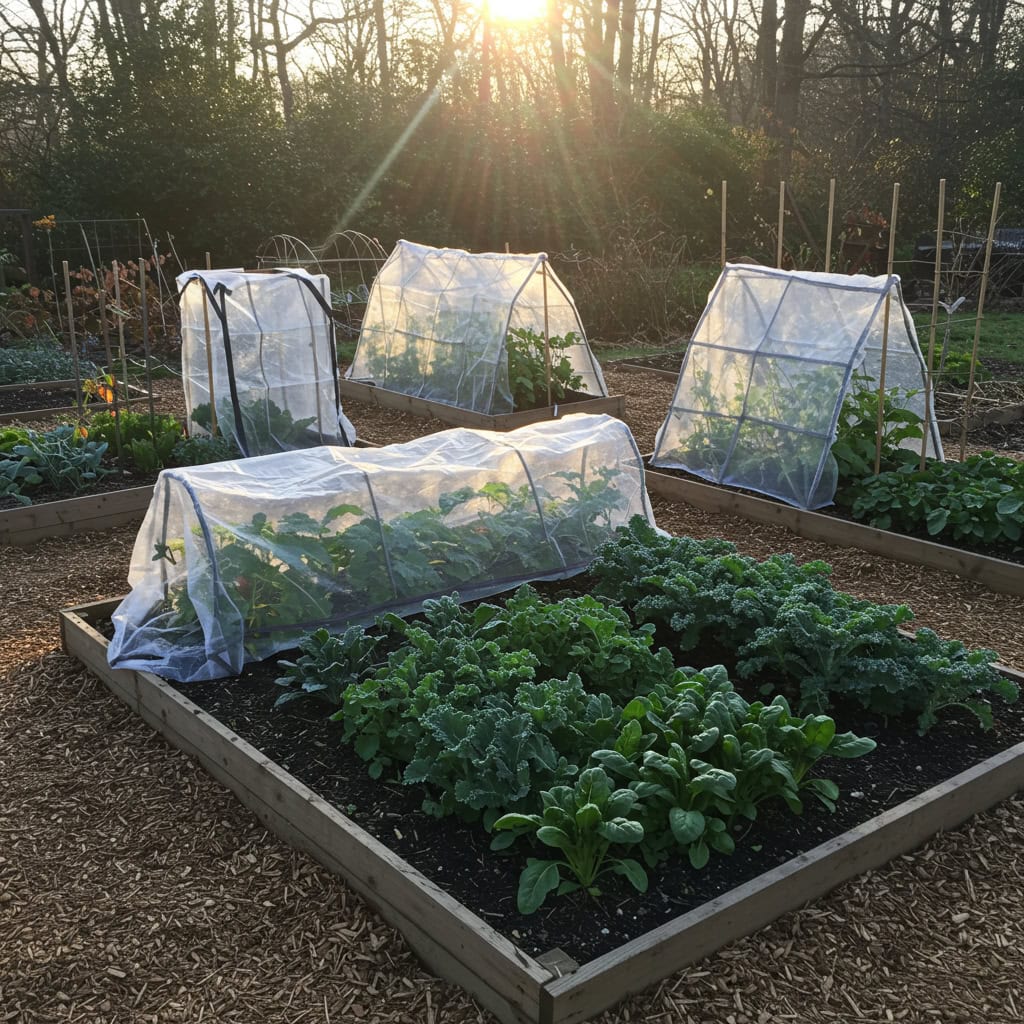
A cozy winter garden features a cold frame and protective row cover sheltering leafy greens from the chilly air. | Generated by Google Gemini

To keep your garden productive during colder months, employ protective strategies such as cold frames and row covers, which shield tender plants from frost while allowing sunlight in. Mulch around perennials to insulate roots and prevent freeze-thaw damage.

Consider planting cold-hardy vegetables like kale and spinach for winter harvests. Prune and clean up garden beds to minimize overwintering pests and diseases. These measures not only safeguard your investment but also ensure an earlier start in spring. For practical winter gardening tips, visit the Old Farmer’s Almanac: Extending the Growing Season.

Maintain and Observe Your Garden Regularly

Step 10: Maintain and Observe Your Garden Regularly
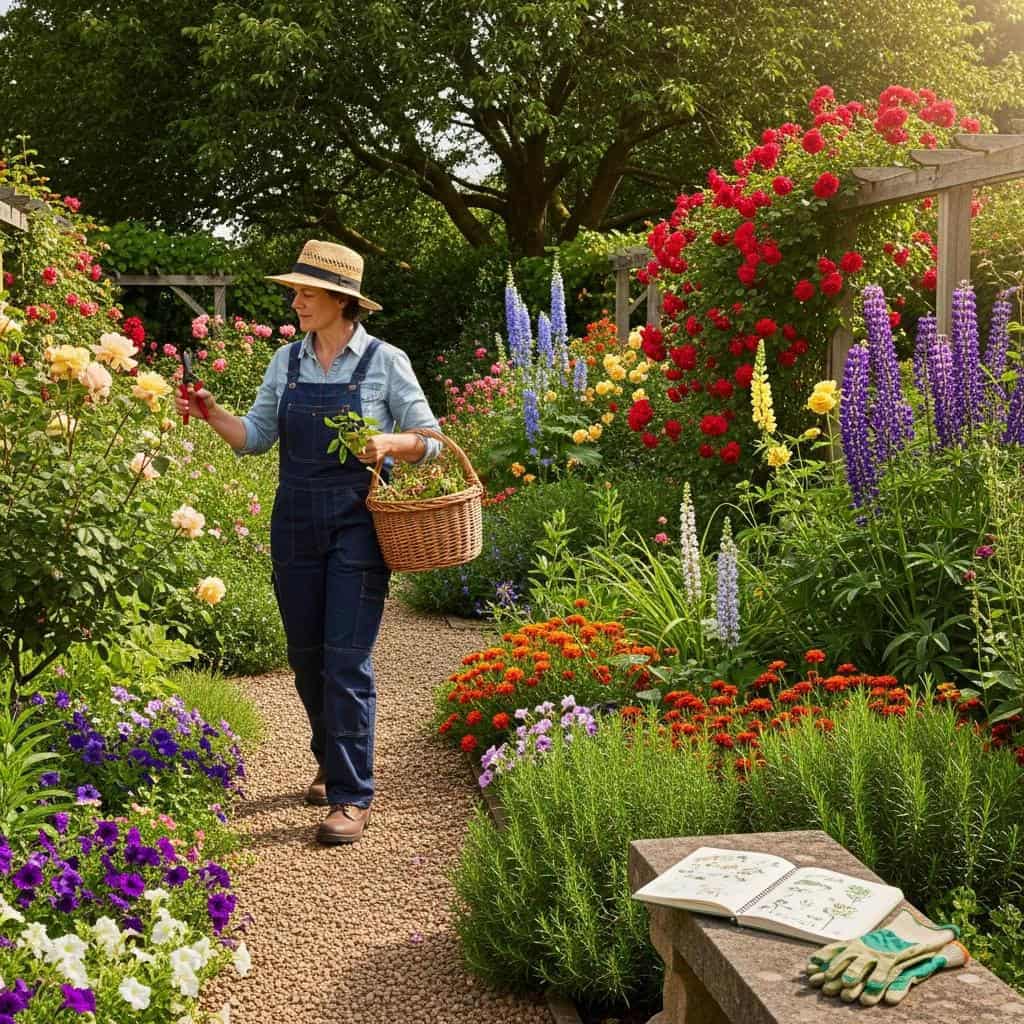
Regular monitoring, timely pruning, and garden journaling foster healthy plants and sustained garden beauty. | Generated by Google Gemini

Consistent care is key to a flourishing garden. Routinely walk through your garden to monitor plant health, spot issues early, and enjoy seasonal changes. Perform timely pruning to encourage growth and maintain shape, and conduct seasonal cleanup to remove debris and prevent disease.

Keep a garden journal to track planting dates, weather patterns, and plant performance—valuable insights for future planning. This proactive approach ensures lasting beauty and productivity. For tips on effective garden maintenance and journaling, explore the Gardener’s Supply Company Garden Journal Guide.

Conclusion

Conclusion
Achieve a flourishing year-round garden with strategic planning, diverse plants, and sustainable care. | Generated by Google Gemini

Creating a thriving, year-round garden is an attainable goal with thoughtful planning and ongoing care. By assessing your climate, choosing varied plants, enriching your soil, and adopting sustainable practices, you’ll enjoy beauty and productivity in every season.

Remember to rotate crops, prepare for winter, and observe your garden regularly to adapt and improve. With these practical steps, your landscape will flourish and provide joy throughout the year. For further inspiration and expert advice, visit the Garden Design Year-Round Gardening Guide and start transforming your outdoor space today.

Advertisement