What You Need to Know Before Starting a Vertical Garden

Robin - December 4, 2025
Share

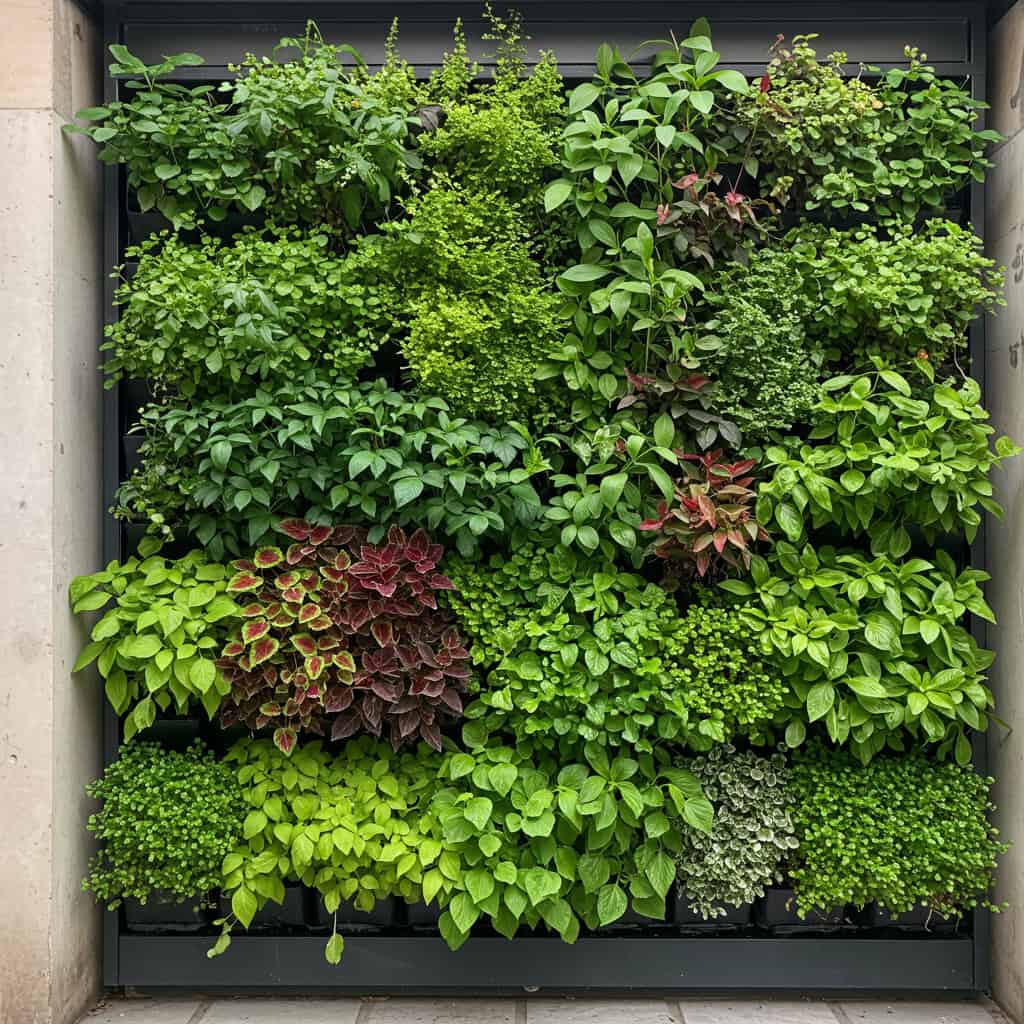
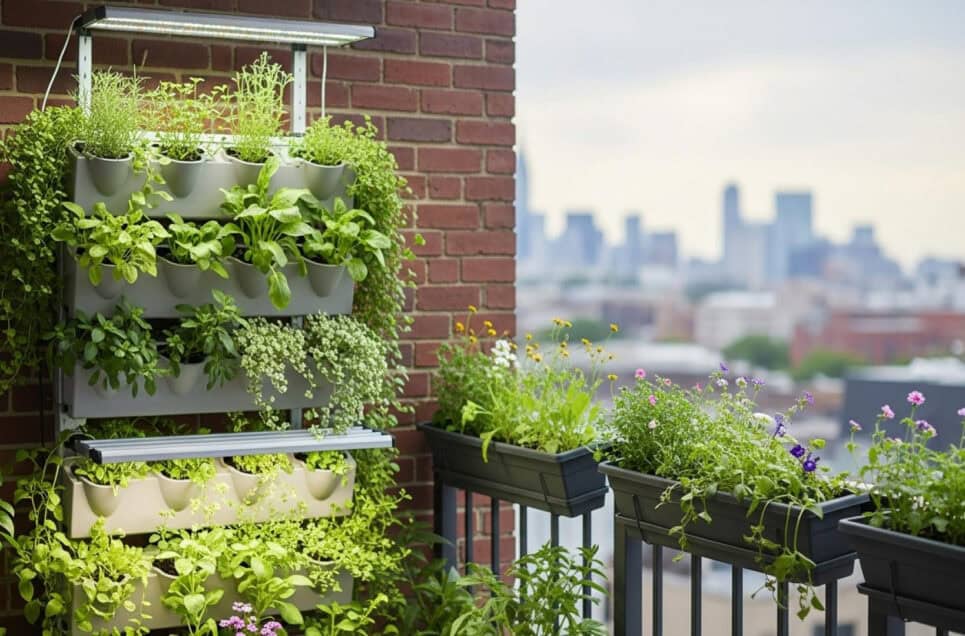
Vertical gardening is rapidly transforming urban spaces, offering an innovative solution for those with limited room to grow plants. Whether you have a small balcony, a tiny backyard, or just a bare wall indoors, this approach lets you maximize greenery without sacrificing space. Vertical gardens provide numerous benefits, from improved air quality to enhanced aesthetics and even food production. In this guide, you’ll discover essential steps and insider tips for setting up your own thriving vertical garden.


Assess Your Space and Light Conditions

Step 1: Assess Your Space and Light Conditions
Bathed in warm garden sunlight, a gardener carefully measures outdoor space while assessing a sunlit vertical wall for planting. | Generated by Google Gemini

Before diving into vertical gardening, carefully examine your available wall, fence, or balcony space. Measure the area and note any obstacles or features that may impact installation. Most importantly, assess how much sunlight your chosen location receives throughout the day—some plants flourish in full sun, while others prefer shade. Understanding your space and its light conditions is crucial, as it directly shapes your plant selection and garden layout. For practical guidance on evaluating sunlight and choosing suitable plants, refer to the Gardener’s Supply Company Sun and Shade Guide.

Choose the Right Vertical Garden System

Step 2: Choose the Right Vertical Garden System
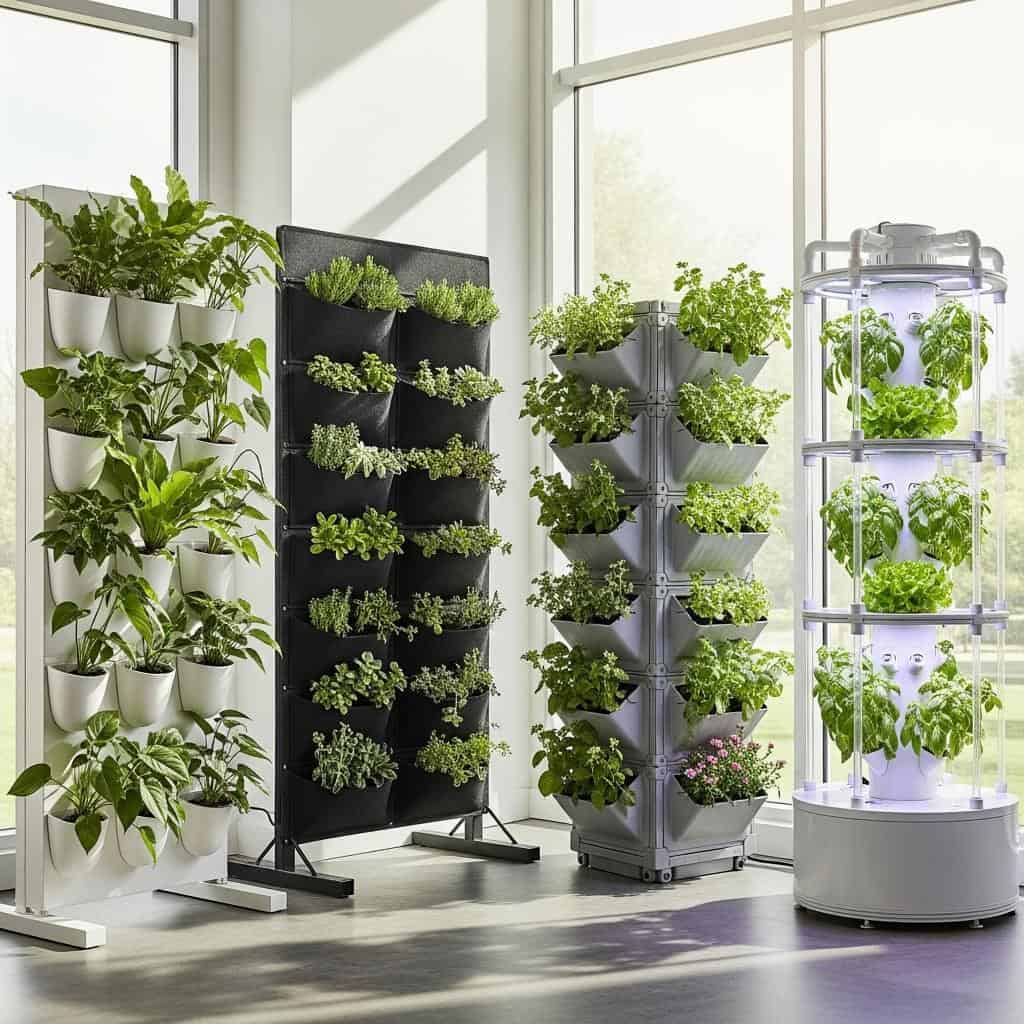
Vertical garden systems range from simple wall-mounted planters to advanced modular and hydroponic setups. | Generated by Google Gemini

There are several types of vertical garden systems, each offering unique benefits. Wall-mounted planters and pocket panels are ideal for beginners and small spaces, while modular systems and hydroponic towers suit those seeking more ambitious projects. Consider your available space, budget, and level of gardening experience when making a choice. Some setups require more maintenance or technical knowledge than others. Research different options to find the best fit for your needs. For an in-depth comparison of popular systems, visit Gardeners’ World: How to Make a Living Wall.

Select Suitable Plants

Step 3: Select Suitable Plants
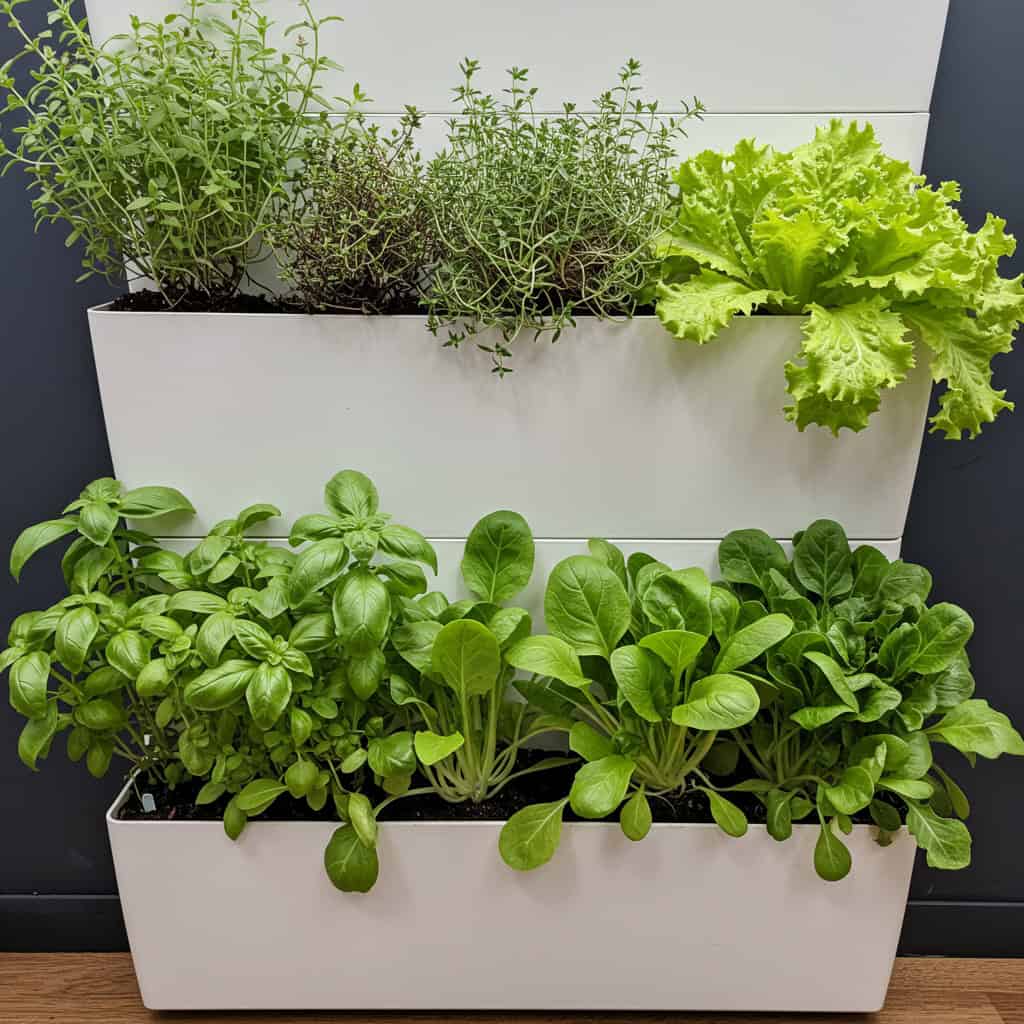
A lush vertical garden bursts with fresh herbs, vibrant succulents, and flourishing vegetables arranged in living wall displays. | Generated by Google Gemini

Choosing the right plants is essential for a flourishing vertical garden. Consider your local climate, the amount of available sunlight, and how much time you can dedicate to maintenance. Hardy herbs like basil and thyme, low-maintenance succulents, or compact vegetables such as lettuce and spinach are popular options. Mixing ornamental and edible plants can create a visually appealing and productive display. Always opt for species well-suited to your specific environment. For plant recommendations tailored to vertical gardens, explore the Better Homes & Gardens vertical gardening ideas.

Plan Watering and Drainage

Step 4: Plan Watering and Drainage
Efficient watering and drainage systems keep vertical gardens healthy while protecting walls from moisture damage. | Generated by Google Gemini

Proper watering and drainage are critical for the health of your vertical garden. Without consistent moisture, plants can dry out quickly, while excess water can cause root rot or wall damage. Consider installing drip irrigation systems or self-watering planters for even moisture distribution. Always include drainage trays or liners to catch excess water and protect your surfaces. Avoid overwatering, as vertical setups often require less water than traditional gardens. For comprehensive advice on irrigation and drainage solutions, visit the Savvy Gardening guide to vertical garden irrigation.

Prepare and Install Your Vertical Garden

Step 5: Prepare and Install Your Vertical Garden
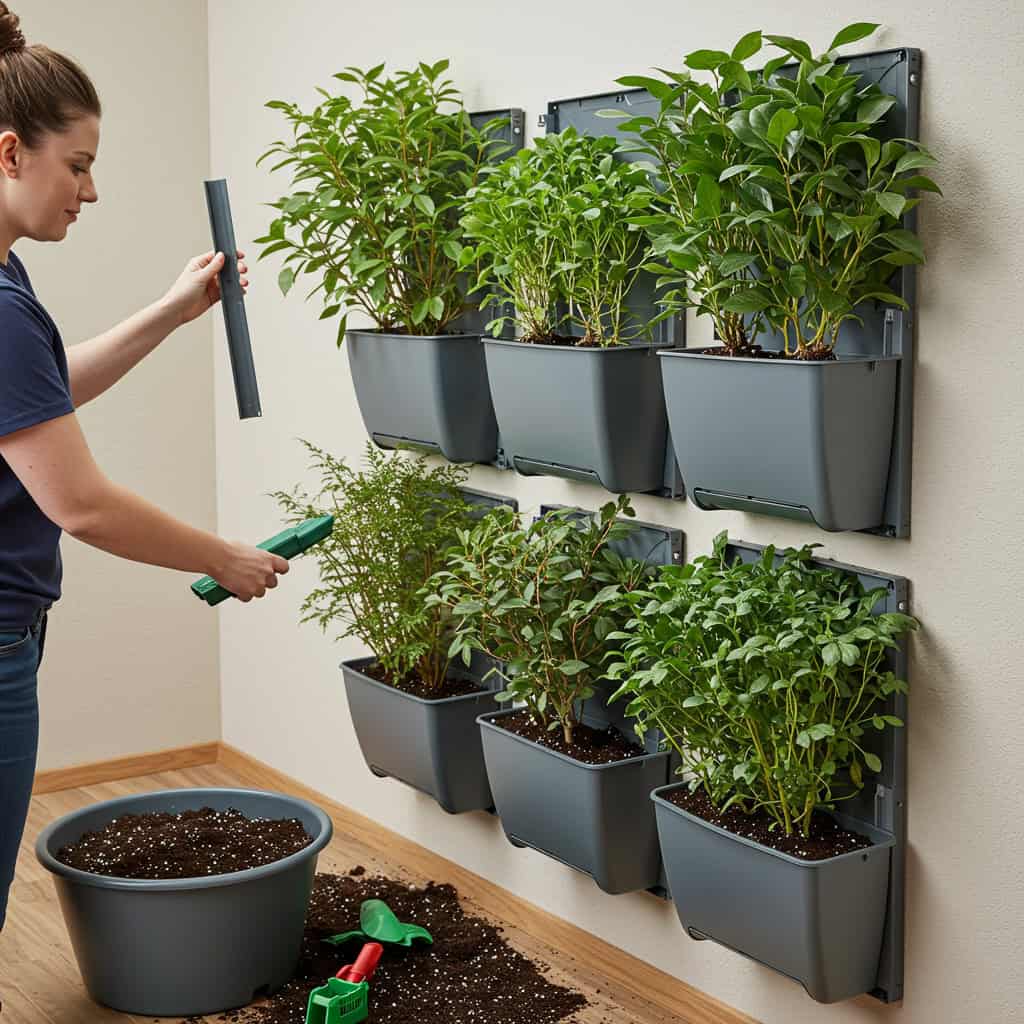
A gardener attaches sleek panels and installs wall planters, filling a vertical garden with fresh green plants. | Generated by Google Gemini

Begin by assembling your chosen vertical garden system according to the manufacturer’s instructions. Ensure the structure is securely mounted to a stable wall or frame, using appropriate anchors or brackets to support the weight. Fill planters or pockets with quality potting soil or the recommended substrate, taking care to allow for drainage. Arrange your selected plants, spacing them for optimal growth and airflow. Gently firm the soil around roots and water thoroughly after planting. For a detailed walkthrough and safety tips on installation, consult the Spruce guide to building a vertical garden.

Maintain and Troubleshoot Your Vertical Garden

Step 6: Maintain and Troubleshoot Your Vertical Garden
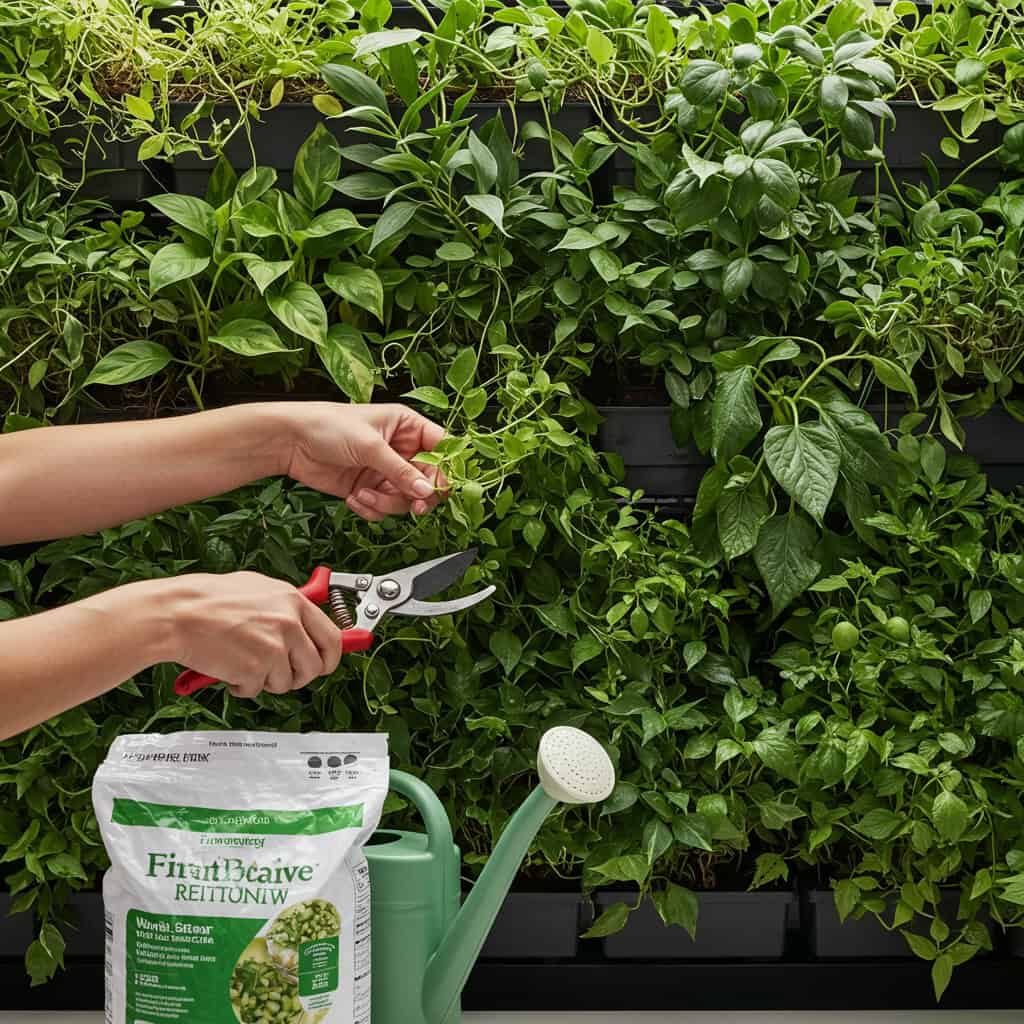
A gardener carefully prunes a lush vertical wall garden, inspecting vibrant green leaves for signs of pests and disease. | Generated by Google Gemini

Regular upkeep is essential for a healthy vertical garden. Prune plants to encourage growth and prevent overcrowding, and fertilize according to plant needs to support lush development. Check for pests and diseases frequently, as vertical gardens can sometimes harbor hidden problems. Address issues like plant stress or yellowing leaves by adjusting water or light levels. Combat mold by improving air circulation and avoiding overwatering. If you notice nutrient deficiencies, use appropriate fertilizers or soil amendments. For more tips on ongoing care and problem-solving, visit the Gardenista guide to maintaining vertical gardens.

Conclusion

Conclusion
A beaming gardener tends to a lush, blooming vertical garden, bringing vibrant greenery to an urban outdoor space. | Generated by Google Gemini

By carefully assessing your space, choosing the right system, selecting suitable plants, and planning for watering and maintenance, you can create a thriving vertical garden in even the smallest area. These key steps help ensure long-term success and enjoyment of your living wall. Ready to get started? Take your first step with confidence and don’t hesitate to explore additional resources like the Vertical Gardening Planet for more inspiration and expert tips. With a bit of planning and care, you’ll soon enjoy the many benefits and beauty of vertical gardening.

Advertisement